••
Deputy Health Minister Dr. Grace Ayensu-Danquah Affirms Government Commitment to Integrating Traditional Medicine into National Healthcare
•2 min read•1 source
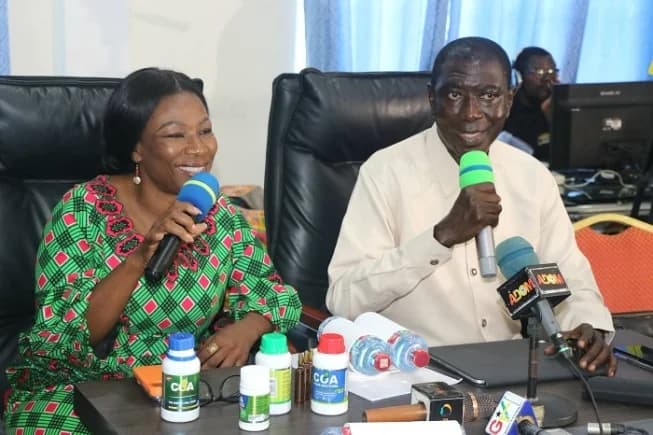
The Deputy Minister for Health, Dr. Grace Ayensu-Danquah, has signaled the government's firm intention to merge scientifically validated traditional medicine with Ghana’s formal healthcare system. Speaking during a high-profile visit to the Center of Awareness (COA) Research and Manufacturing Company, the Deputy Minister highlighted the sector’s untapped potential in strengthening the nation's healthcare delivery. This move aligns with President John Mahama’s administration’s broader strategy to expand access to medical services through the Free Primary Healthcare programme, ensuring that local health solutions are part of the national development agenda.
The integration efforts are specifically targeted at addressing the rising burden of non-communicable diseases (NCDs) across the country. Dr. Ayensu-Danquah pointed to international success stories, citing China as a primary example of how traditional medicine can be effectively institutionalized alongside Western medical practices. By leveraging local botanical resources and indigenous knowledge that have undergone rigorous scientific scrutiny, the Ministry of Health aims to provide more comprehensive and culturally relevant treatment options for Ghanaians while reducing the strain on conventional resources.
In response to the government's policy direction, Mr. Samuel Ato Duncan, CEO of the COA Manufacturing Company, expressed strong support for the initiative. He emphasized that for traditional medicine to truly align with national healthcare objectives, there must be a concerted effort toward standardization and deep-rooted research. Mr. Duncan noted that private-sector participation in research and development is crucial for ensuring that traditional products meet the highest safety and efficacy standards required for mainstream clinical use, suggesting that government backing is essential for the industry to reach its full potential.
The government’s commitment marks a significant shift toward a more inclusive healthcare model that recognizes the historical and practical importance of herbal and traditional treatments. As the Ministry of Health moves forward with these integration plans, the focus will remain on ensuring that all traditional remedies introduced into the Free Primary Healthcare framework are backed by robust empirical data. This initiative is expected to not only improve health outcomes but also stimulate the local pharmaceutical and herbal research industry, potentially positioning Ghana as a regional leader in the scientific advancement of traditional medicine.
Related topic
John Mahama: Latest News & Updates →

