••
John Koku Awoonor-Williams warns Ghana’s CHPS health model is stalling
•2 min read•1 source
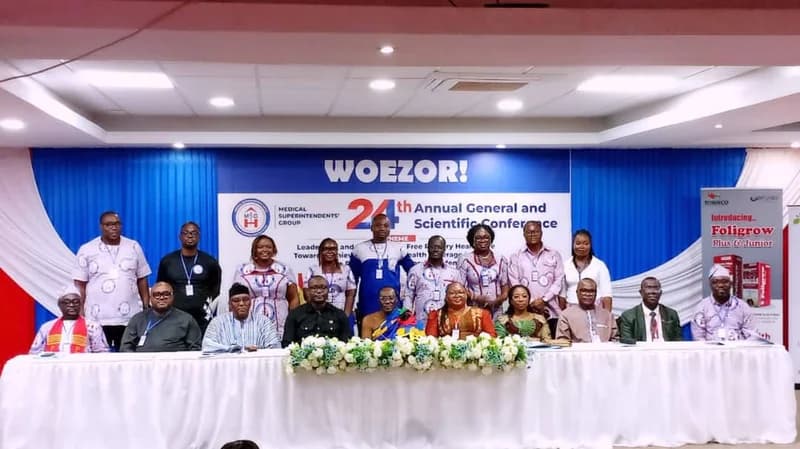
Dr. John Koku Awoonor-Williams of the Ministry of Health has raised concerns over the domestic stagnation of Ghana’s Community-based Health Planning and Services (CHPS) model. Speaking at the 24th Annual General and Scientific Conference of the Medical Superintendents’ Group, Dr. Awoonor-Williams noted that while Ghana pioneered the initiative, the country is now falling behind other African nations that have successfully implemented the framework. The conference, which focused on leadership and innovation in primary healthcare, served as a platform for health officials to reflect on the current state of rural health delivery.
The CHPS model was developed following a landmark 1994 experiment designed to bridge the gap in healthcare accessibility, particularly for rural and underserved populations. Since its inception, the blueprint has been adopted by more than 15 countries across the African continent. However, Dr. Awoonor-Williams pointed out a troubling trend: nations like Ethiopia, which learned from the Ghanaian model, are now outperforming Ghana in several critical healthcare indicators. This stagnation suggests that the domestic implementation has lost the momentum and innovative spirit that once made it a global reference point.
To address these challenges, Dr. Awoonor-Williams called for greater policy coherence and a concerted effort to modernize the country's medical infrastructure. He emphasized that achieving Universal Health Coverage (UHC) requires more than just the existence of health posts; it demands effective coverage and high-quality service delivery. The discussion at the conference highlighted the urgency of integrating new leadership strategies and innovative technologies to revitalize primary healthcare. Without these updates, the infrastructure supporting CHPS risks becoming obsolete, further widening the gap between urban and rural health outcomes.
