••
Five African countries pledge to reach zero-dose children
•2 min read•1 source
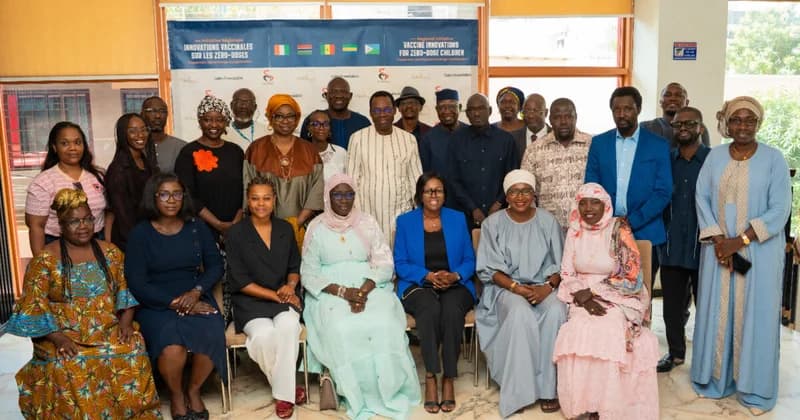
Five African nations—Senegal, Cte d’Ivoire, Gabon, Djibouti, and The Gambia—have formally committed to a new regional framework aimed at reaching "zero-dose" children. These are children who have never received a single dose of basic vaccines. The agreement was reached during a four-day regional benchmarking mission in Dakar, Senegal, held from September 29 to October 2, 2026. Organized by Galien Africa in collaboration with Senegal’s Ministry of Health, the initiative seeks to strengthen national immunisation systems across the continent through shared strategies and enhanced tracking mechanisms. During the mission, health delegations identified critical gaps in their current vaccination programmes and proposed national roadmaps to address them. The discussions focused on three main pillars: sustainable domestic financing, intensive community engagement, and the digitalisation of health records. By leveraging digital tools, the countries aim to improve vaccine distribution logistics and precisely track children who have been missed by traditional health outreach. This technological shift is expected to provide real-time data that will help health workers identify and reach vulnerable populations more effectively. Each participating nation shared unique successes and challenges, allowing for the cross-pollination of ideas. Strategies discussed included the establishment of community vaccination sites and the implementation of targeted interventions for mobile and hard-to-reach populations. For example, some delegations highlighted how community-led initiatives could overcome cultural barriers to vaccination. The goal of the Dakar meeting was to ensure that these successful local practices could be adapted and scaled across different national contexts to create a unified front against vaccine-preventable diseases. The newly established regional framework is designed to facilitate sustained action and continuous monitoring of progress. By aligning their efforts, the five countries intend to build more resilient immunisation infrastructures that are less dependent on external aid. This collective approach underscores a growing commitment in West and East Africa to achieve universal health coverage by ensuring that no child is left behind due to geographical or socio-economic barriers. The participants expressed optimism that the roadmap established in Dakar will serve as a model for other African nations struggling with similar immunisation challenges.
