••
Attijariwafa Bank Enters Ghana as Societe Generale Exits; Bank of Ghana Holds Policy Rate at 14%
•2 min read•11 sources
Significant structural shifts are reshaping Ghana’s financial landscape as the Bank of Ghana (BoG) maintains its monetary stance while major international players reshuffle their positions. In a unanimous decision, all seven members of the Monetary Policy Committee (MPC) voted to keep the policy rate at 14%, citing a cautious approach to external economic risks and persistent inflationary pressures. While the committee noted a 6.0% GDP growth in the second quarter of 2026 and a rise in the Composite Index of Economic Activity, concerns remain over weather-related disruptions and rising food and fuel prices that could threaten the medium-term inflation target of 8% +/- 2%.
Simultaneously, a landmark transaction is underway in the banking sector as the Moroccan financial giant, Attijariwafa Bank, prepares to acquire a majority stake in Societe Generale Ghana. The agreement involves Societe Generale Group divesting its entire 60.22% stake, with Attijariwafa acquiring 55.22% and the Social Security and National Insurance Trust (SSNIT) increasing its holding by 5%. This move raises SSNIT's total ownership to 24.36%, strengthening the investment position for Ghanaian workers. Financial analysts have urged customers to remain calm, noting that the transition—pending regulatory approval—is likely to improve technology and service delivery across the bank's 40-branch network.
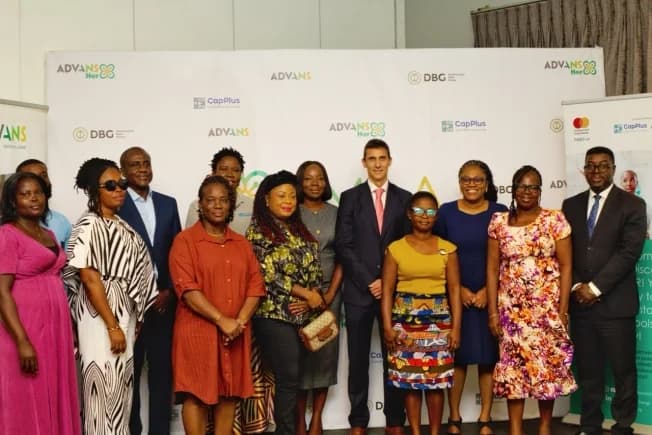
Beyond high-level mergers and monetary policy, the sector is seeing a renewed focus on inclusivity and digital security. Advans Ghana Savings and Loans has launched "Mmaa Mpuntuo," a GH₵20 million loan scheme supported by Development Bank Ghana, specifically designed to provide women entrepreneurs with working capital and mentoring. On the regulatory and compliance front, Ahantaman Community Bank PLC has achieved ISO/IEC 27001:2022 certification. This milestone ensures compliance with the BoG’s Cyber and Information Security Directive (CISD) 2026, signaling a growing commitment among local financial institutions to robust cybersecurity during digital transformation.
These developments reflect a dynamic period for Ghana's business sector, balancing international investment with local empowerment. While the central bank manages its internal capacity—noting that 50 to 60 staff members retire annually—the broader industry is demonstrating resilience through both competitive corporate spirit and strategic growth. The entry of Moroccan capital alongside targeted financing for SMEs and heightened security standards points toward a multifaceted effort to stabilize and modernize the Ghanaian economy amidst global uncertainties.
Live rates
Bank of Ghana policy rate →

