••
Ashanti Region Water Project: 800,000 Residents to Benefit from Ghana-Korea Climate-Smart Initiative
•2 min read•1 source
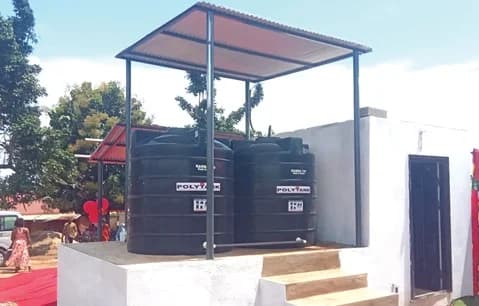
Approximately 800,000 residents across 269 rural communities in the Ashanti Region are set to see a significant improvement in their quality of life through a new climate-smart water purification project. This initiative, a collaborative effort between the governments of Ghana and Korea, aims to provide sustainable access to safe drinking water in areas where supply has traditionally been inconsistent or unsafe. By prioritizing rural development, the project seeks to bridge the stark gap in utility access that persists between Ghana's urban centers and its more remote hinterlands, ensuring that basic health necessities are not determined by geographic location.
At the heart of this intervention is the installation of advanced, solar-powered water purification systems. These units are specifically designed to treat local water sources, effectively removing contaminants to ensure the water meets stringent safety standards for human consumption. Because the systems utilize renewable solar energy, they offer a resilient solution to the energy challenges often faced in rural infrastructure projects, aligning with broader climate adaptation goals. Stakeholders involved in the rollout have highlighted that the "climate-smart" nature of the technology ensures that the water supply remains reliable even in the face of changing environmental conditions and energy volatility.
The impact on public health is expected to be profound, as access to clean water is a fundamental pillar in preventing waterborne diseases and improving overall community well-being. Community leaders and residents have expressed immense relief and gratitude, noting that the project will alleviate the daily burden of seeking water from potentially contaminated sources. However, the long-term success of the initiative hinges on more than just initial installation. Officials and project partners have emphasized that regular monitoring, robust maintenance schedules, and active community engagement are essential to protecting these vital resources and ensuring the systems remain operational for years to come.
