••
Ghanaian Communities See Boost in Healthcare and Social Welfare as Ashaiman and Dadetoklo Receive Vital Interventions
•2 min read•2 sources
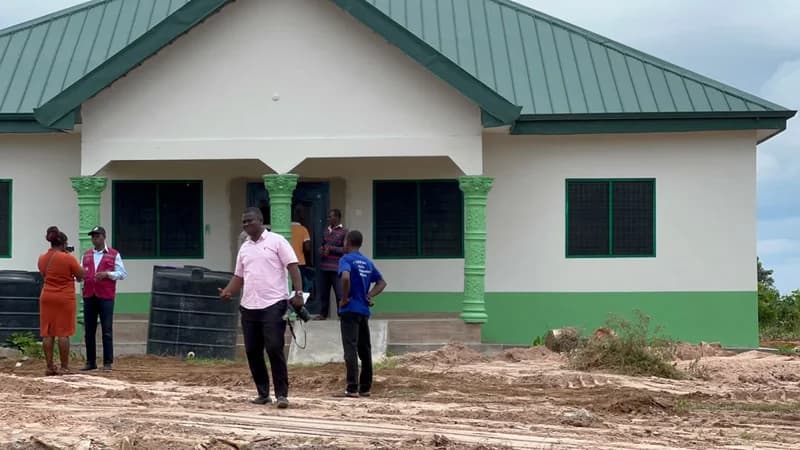
Recent developments in the Ashaiman Municipality and the village of Dadetoklo have signaled a significant boost for healthcare accessibility and social welfare. In Ashaiman, 59 persons with disabilities (PWDs) have been empowered with nearly GH¢400,000 in financial aid and equipment through the Disability Common Fund. Simultaneously, the fishing community of Dadetoklo is celebrating the commissioning of a new Community-based Health Planning and Services (CHPS) compound, a facility described as a lifeline intended to end years of dangerous roadside deliveries and maternal health crises caused by geographic isolation.
In Ashaiman, the GH¢400,000 disbursement targeted individuals such as Israel K. Golomeke and dozens of others who have historically faced systemic challenges in securing employment and daily sustenance. The intervention, which includes both direct financial assistance and specialized business equipment, is designed to transition beneficiaries from a reliance on public charity toward sustainable, independent livelihoods. Municipal leaders emphasized that the 59 beneficiaries underwent a rigorous screening process to ensure the effective and transparent use of public resources. Local authorities have also used the occasion to call for more timely releases of these funds to maintain the momentum of social inclusion programs and have encouraged PWDs to foster unity to maximize the impact of government support.
Parallel to these social interventions, the residents of Dadetoklo have achieved a major milestone in healthcare delivery. For years, pregnant women in this fishing village were forced to endure long, treacherous journeys to the Kojokrom CHPS compound, often resulting in preventable deaths or deliveries occurring on the roadside due to poor road conditions. The newly constructed facility in Dadetoklo now provides a localized solution for safe births and primary healthcare. While the community has welcomed the infrastructure as a transformative victory, residents continue to urge the government to address the dilapidated road network, which still poses a significant barrier to emergency medical transport.
These dual interventions highlight the ongoing efforts to address the needs of vulnerable populations through both physical infrastructure and direct economic empowerment. However, both stories underscore a persistent call for complementary support—ranging from improved road networks in rural areas to more consistent funding cycles for urban social programs. As these communities integrate these new resources, the focus remains on ensuring that such interventions lead to long-term self-reliance and improved health outcomes across the nation.


