••
Ashaiman Municipal Assembly seeks support to complete Gbemi Stream storm drain
•2 min read•1 source
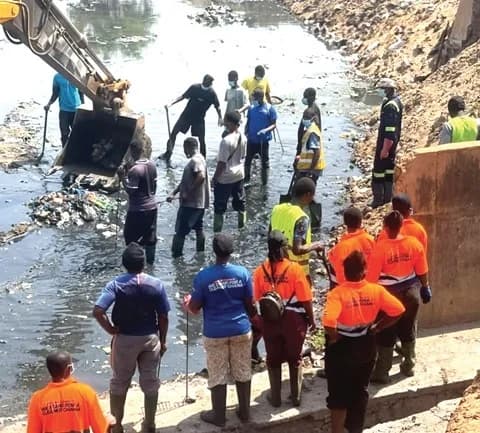
The Ashaiman Municipal Assembly (ASHMA) has issued a formal appeal for assistance to complete the Gbemi Stream storm-drain project, a critical infrastructure initiative aimed at mitigating recurrent flood risks in the municipality. Since the project's inception in 2020, only 150 meters of the proposed drainage system have been constructed, leaving significant stretches of the stream unaddressed. Local officials warn that the current state of the infrastructure is insufficient to protect residents and property from seasonal flooding during heavy downpours.
Municipal Chief Executive Freeman Tsekpo emphasized that while the Assembly has undertaken regular dredging to manage water flow, these efforts provide only temporary relief. He argued that dredging cannot serve as a permanent substitute for a professionally engineered storm-drain system capable of handling high volumes of runoff. Tsekpo noted that the delay in completing the project has left the area vulnerable, particularly as urban development pressures continue to intensify within the Ashaiman enclave.
The flooding situation is further complicated by the indiscriminate dumping of waste into the stream by some residents, which creates blockages and impedes the natural flow of water. In response, the Assembly is introducing stricter monitoring and waste management measures to curb illegal dumping and ensure the drainage channels remain clear. These administrative actions are intended to complement the physical infrastructure, though the structural completion of the drain remains the primary objective for the local government.
The completion of the Gbemi Stream project is viewed as essential for Ashaiman's sustainable urban development and aligns with Ghana’s commitment to the Sustainable Development Goals (SDGs) regarding resilient infrastructure and climate adaptation. ASHMA continues to advocate for the necessary funding and technical support to finish the drain, asserting that a modern drainage system is the only long-term solution to the municipality's perennial flooding challenges.
