••
Ashaiman Municipal Assembly lobbies for completion of Gbemi storm drain
•2 min read•1 source
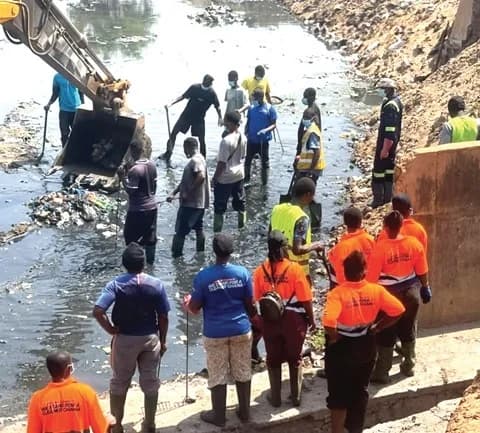
The Ashaiman Municipal Assembly (ASHMA) has issued an urgent appeal for financial support to complete a critical engineered storm-drain system at the Gbemi Stream. Despite construction commencing in 2020, the project has seen minimal progress, with only 150 meters of the proposed drainage infrastructure currently finished. The Municipal Chief Executive (MCE), Freeman Tsekpo, emphasized that the delay leaves the community increasingly vulnerable to the threat of persistent flooding during the rainy season.
According to the Assembly, the current infrastructure gap poses a significant risk to residents and businesses within the municipality. While ASHMA has relied on periodic dredging of the stream to manage water levels and mitigate immediate flood risks, Mr. Tsekpo noted that these temporary measures are not a viable substitute for a fully realized, modernized drainage system. The incomplete project at Gbemi Stream remains a focal point for the Assembly’s efforts to improve urban resilience against extreme weather events and to safeguard local property.
The flooding challenge is further complicated by human activity, specifically the indiscriminate dumping of refuse into the watercourse. This waste accumulation significantly impedes the natural flow of water, rendering existing drainage efforts less effective and increasing the likelihood of overflows. In response, the Assembly is introducing stricter monitoring and waste management strategies to curb illegal disposal. These initiatives aim to protect the integrity of the stream and ensure that any progress made on the infrastructure is not undermined by environmental degradation.
The push for the completion of the Gbemi storm drain aligns with broader national efforts to meet Sustainable Development Goals related to sustainable urban development and climate adaptation. As development pressures within Ashaiman continue to mount, the Assembly maintains that securing the necessary funding to finish the project is essential for the long-term safety and economic stability of the municipality. Officials continue to advocate for the resources needed to transform the Gbemi Stream from a seasonal threat into a managed asset.
