••
African National Congress falls to 31 percent in local elections
•2 min read•3 sources
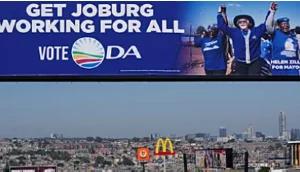
South Africa's ruling African National Congress (ANC) has suffered its most significant electoral setback to date, securing just 30.95% of the vote in recent municipal elections. This result represents a sharp decline from the 46% the party obtained in the 2021 local government polls. The drop in support marks a new low for the party that has dominated South African politics for three decades, following its loss of an absolute majority in the 2024 parliamentary elections. With approximately 90% of ballots counted, the results confirm a shifting political landscape where the ANC no longer holds a clear mandate from the electorate.
The opposition Democratic Alliance (DA) consolidated its position as the primary alternative, securing 24.56% of the vote. Meanwhile, the uMkhonto weSizwe (MK) party, led by former President Jacob Zuma, is projected to finish in third place. Political analysts attribute the ANC's decline to widespread voter frustration over persistent issues including high unemployment, rising crime rates, and systemic corruption. Despite a slight increase in voter turnout to 54.5%, younger voters continue to show significant apathy toward the established political process.
The election results are expected to trigger complex coalition negotiations in several of the country's major metropolitan areas. The ANC has lost significant ground in key cities, including Johannesburg and Pretoria, where the DA is reportedly seeking to form governing coalitions that specifically exclude the ruling party. As no single party secured an outright majority in these critical hubs, the governance of South Africa’s largest economic centers will now depend on the ability of rival parties to reach power-sharing agreements. This trend toward coalition governance signals a definitive end to the era of single-party dominance in South African local administration.
