••
John H. Amuasi advocates for upstream prevention at World Health Summit
•2 min read•1 source
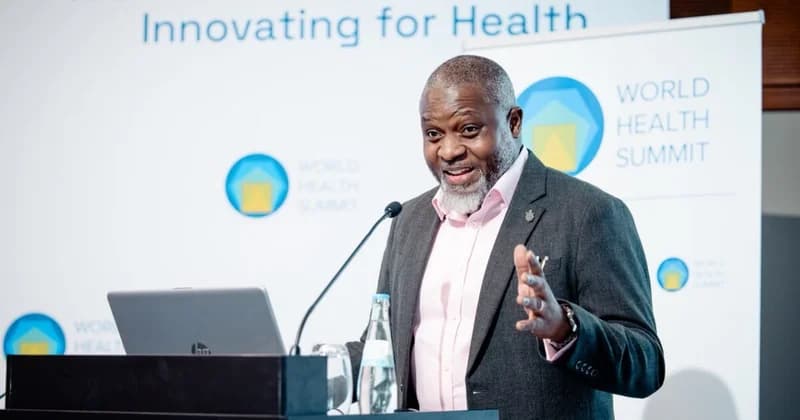
Professor John H. Amuasi, a leading academic from the Kwame Nkrumah University of Science and Technology (KNUST), has called for a transformative shift in global public health strategies. Speaking at the World Health Summit 2026 in Berlin, Professor Amuasi urged the international community to move away from simply treating the symptoms of disease and instead focus on "upstream prevention." This approach targets the root environmental and social conditions that lead to health crises before they emerge, rather than reacting to them after they have already taken hold.
Central to Professor Amuasi’s presentation was the "One Health" framework, which recognizes that the health of humans is intrinsically linked to the health of animals and the environment. He argued that the current global health architecture is often too reactive and fragmented. By adopting a "One Health" perspective, policymakers can better understand the interconnectedness of biological and ecological systems, allowing for more robust interventions against emerging zoonotic threats and climate-related health issues. He stressed that this transition requires a fundamental rethink of how health systems are funded and managed.
Amuasi also highlighted the critical role of multi-sectoral collaboration, specifically pointing to the intersection of education and policy. He noted that promoting a deep-seated understanding of health and environmental stewardship among younger generations is essential for long-term sustainability. According to the professor, the burden of maintaining public health should not fall solely on the medical community but must be shared by educators and government officials who shape the social landscape in which people live and work.
Furthermore, Professor Amuasi emphasized the indispensable role of the media in communicating complex health and environmental issues to the general public. He called for more effective and transparent communication to bridge the gap between scientific research and public awareness. By building a comprehensive approach that extends beyond traditional healthcare facilities, Amuasi believes the global community can build more resilient societies capable of preventing the next pandemic or environmental health disaster through proactive, informed action.
