••
Alban Bagbin adopts 19 tools for gender-responsive governance
•2 min read•1 source
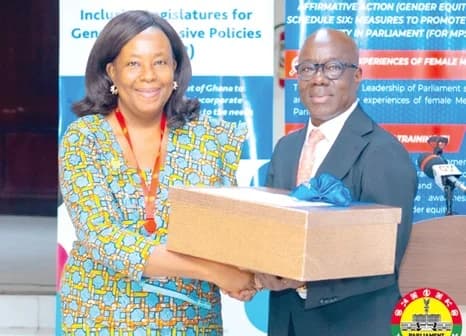
The Speaker of Parliament, Alban Sumana Kingsford Bagbin, has announced the formal integration of outcomes from the Inclusive Legislatures for Gender Responsive Policies (ILGRP) project into Ghana's legislative processes. This move is intended to ensure that gender equality becomes a permanent and foundational element of parliamentary operations rather than a series of isolated initiatives. Speaking at the conclusion of the project, the Speaker underscored the importance of moving toward a more inclusive form of governance that reflects the needs of all segments of society. The ILGRP project was a comprehensive four-year initiative supported by the Canadian government, focusing on enhancing gender-responsive governance across three African nations: Ghana, Togo, and Kenya. Over the course of the project, stakeholders worked to identify gaps in legislative procedures and develop strategies to address them. The culmination of this effort saw the presentation of 19 specialized tools to Ghana's Parliament. These resources are designed to provide members and staff with practical frameworks for assessing and implementing policies that promote gender equity. Speaker Bagbin emphasized that the true measure of the project’s success would lie in its practical impact on parliamentary practices and the daily lives of citizens. He noted that the adoption of these 19 tools represents a commitment to sustaining the gains made during the four-year period. By embedding these tools into the standing orders and committee workflows, the Speaker aims to institutionalize gender sensitivity in every bill, budget, and oversight activity conducted by the House. The initiative aligns with broader national and international goals for social inclusion and representative democracy. As Parliament transitions to these new standards, contributors to the project highlighted that making gender responsiveness a permanent feature of governance is essential for achieving long-term development targets. This institutional shift is expected to set a benchmark for other government agencies in Ghana as they work to align their operations with modern standards of equity and inclusion.
