••
General Al-Burhan's Sudanese Forces Gain Military Ground Amid Deepening Diplomatic Scrutiny and Humanitarian Crisis
•2 min read•3 sources
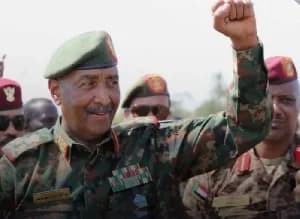
The conflict in Sudan, which erupted in April 2023, has reached a critical juncture as the Sudanese Armed Forces (SAF) under General Abdel Fattah al-Burhan report significant military advances against the Rapid Support Forces (RSF). While the SAF has successfully pushed the RSF out of various strategic positions and supply routes, the territorial struggle remains far from over. The RSF continues to maintain control over nearly the entire Darfur region and significant portions of Kordofan, highlighting the persistent volatility of the nation’s security landscape. This protracted warfare has exacted a staggering human toll, with recent estimates indicating nearly 200,000 casualties since the onset of hostilities.
On the diplomatic front, General al-Burhan faces a starkly divided international response. The United States has intensified its criticism of Sudan's military leadership, questioning its constitutional mandate and citing alleged war crimes as the basis for denying al-Burhan a visa to attend the UN General Assembly. Despite this Western isolation and al-Burhan’s rejection of U.S.-led truce initiatives, regional powers such as Saudi Arabia and Egypt have continued to affirm the legitimacy of the SAF. Saudi Crown Prince Mohammed bin Salman recently reiterated support for Sudan’s stability, a stance that observers believe complicates peace prospects by potentially facilitating new arms deals with nations like Pakistan and Turkey.
While the military and diplomatic maneuvers continue, the Sudanese population is grappling with a severe humanitarian and economic collapse. A critical fuel shortage, driven by global oil disruptions linked to broader Middle Eastern tensions and domestic import restrictions, has paralyzed much of the country. This shortage has severely hindered public transportation, freight services, and industrial production. The resulting surge in transportation costs has triggered a sharp rise in food prices, placing an unbearable burden on ordinary citizens already struggling to survive the fallout of the civil war.
The intersection of military momentum and domestic hardship suggests a grim outlook for an immediate resolution. As the SAF seeks to leverage its recent gains to consolidate power, the lack of a unified international stance on al-Burhan’s legitimacy may further prolong the conflict. For the general population, the immediate future is defined less by territorial shifts and more by the scarcity of essential resources, suggesting that without a coordinated diplomatic breakthrough or humanitarian intervention, the crisis will continue to deepen.


