••
Agri-Impact Ltd signs deal with PwC to create 60,000 aquaculture jobs
•2 min read•1 source
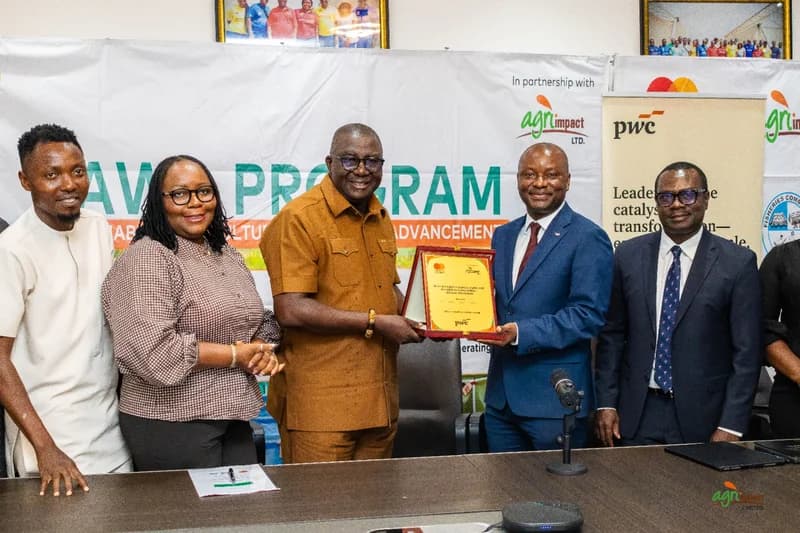
Agri-Impact Ltd has entered into a four-year partnership agreement with PwC Ghana to advance the Sustainable Aquaculture for Women Advancement (SAWA) Program. Supported by the Mastercard Foundation, the initiative seeks to create 60,000 work opportunities for young women in Ghana’s aquaculture sector over the next four years. The agreement specifically focuses on improving the institutional capacity and governance of local agribusiness consortium partners to ensure the program’s long-term success.
Speaking at the signing ceremony, Dr. Daniel Fahene Acquaye, CEO of Agri-Impact Ltd, highlighted that the collaboration is essential for building the resilience of local businesses. He emphasized that institutional strengthening is a critical pillar in ensuring that agribusinesses can scale efficiently while maintaining high standards of governance. Hayfron Aboagye, a Partner at PwC Ghana, echoed these sentiments, stating that the firm is committed to providing the necessary technical expertise and oversight to support the growth of indigenous agribusinesses participating in the consortium.
The SAWA Program is designed to be inclusive, targeting young women including those with disabilities, to integrate them into various nodes of the aquaculture value chain. This new partnership builds on the foundations laid by the previous HAPPY Program, another collaborative effort aimed at boosting agricultural productivity and employment. By leveraging PwC's experience in business advisory and Agri-Impact's sector-specific knowledge, the partners aim to create a sustainable model for youth employment in the blue economy.
This agreement marks the beginning of a broader effort to formalize roles within the SAWA consortium, with other member organizations expected to sign similar agreements in the near future. As the program moves into its implementation phase, the focus will remain on developing robust frameworks for monitoring, evaluation, and capacity building. These efforts are expected to significantly contribute to Ghana's food security goals while providing a pathway to economic independence for tens of thousands of young women.
