••
Agbozume Residents Demand Water Action as Regional Infrastructure Challenges Impact Ghana and Gambia
•3 min read•3 sources
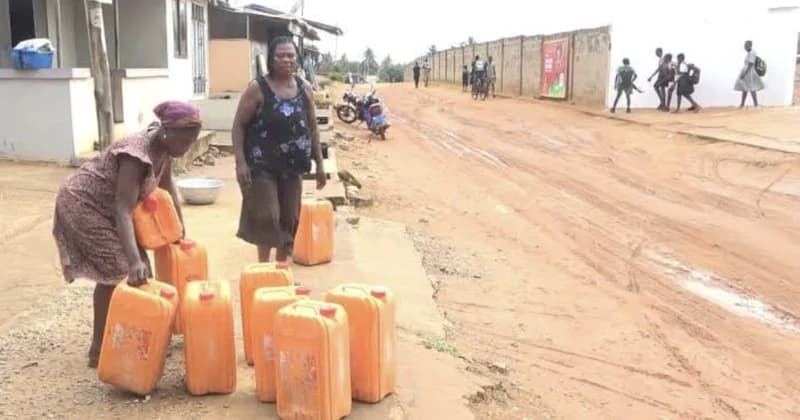
Residents in Agbozume, located in the Ketu South Municipality, are grappling with a severe four-year water crisis that has significantly increased the cost of living and disrupted essential services. The situation reached a breaking point in mid-2023 when the Agbozume Community Borehole collapsed following heavy rains and flooding. Despite various interventions by the Ghana Water Company Limited (GWCL), including attempts to drill new boreholes, a reliable water supply has not been restored. This persistent shortage forces residents to travel to neighboring towns to purchase water, placing a heavy financial burden on households and local businesses. The infrastructure failure has had a ripple effect across the community, notably impacting local schools and health facilities where sanitation and hygiene are paramount. In response to the worsening conditions, community members, led by Mr. Dan Jerry Sorokpo, have submitted a formal petition to the GWCL. The residents are demanding a town hall meeting to discuss the current status of the water system and to seek transparent solutions. They argue that the lack of clear communication from authorities has exacerbated the hardship, leaving the community in a state of uncertainty regarding their most basic necessity. While Agbozume seeks government intervention, corporate-led initiatives are attempting to address other public safety concerns in Ghana's capital. GCB Bank PLC recently launched its "Helmet On, Life On" campaign, targeting motorcycle riders in Accra’s Central Business District. As part of the bank’s Staff Community Impact Programme (SCIP), employees trained over 500 riders on defensive riding, hazard identification, and the critical importance of proper helmet usage. This initiative is part of a broader effort by GCB to implement 95 community projects nationwide, aiming to impact one million Ghanaians through localized, employee-driven solutions. Beyond Ghana's borders, infrastructure challenges are similarly affecting livelihoods in the West African sub-region. In the Gambian coastal town of Tanji, local businesses—particularly the vital fishing industry—are struggling under a wave of prolonged blackouts. Since June, severe power outages have intensified during the peak heat season, leaving fishmongers like Sirah Darboe-Manneh unable to store their catches due to empty ice boxes. These outages highlight a growing energy crisis in Gambia that mirrors the utility struggles seen in other parts of the continent, where seasonal changes and aging infrastructure often collide to disrupt economic stability. These developments across Ghana and Gambia underscore a critical period for West African infrastructure and public safety. Whether it is the fight for clean water in Ketu South, the push for road safety in Accra, or the demand for stable power in Tanji, the recurring theme remains the need for robust utility management and proactive community engagement. As Agbozume residents await a response from the GWCL and Gambian businesses look for energy relief, these local struggles continue to shape the broader narrative of regional development and the resilience of those navigating daily systemic hurdles.
