••
Madagascar residents prepare for strongest El Niño on record
•2 min read•1 source
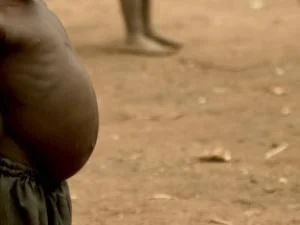
Residents across southern Madagascar are mobilizing to mitigate the potential impact of what experts predict will be the strongest El Ni!o event on record. This warning follows a formal notification from the World Meteorological Organization (WMO), which has signaled that the upcoming climate pattern could bring severe environmental challenges and prolonged dry spells to the region. With southern Madagascar already highly vulnerable to climatic shifts, the anticipation of an intensified El Ni!o has heightened concerns among local communities, government officials, and international aid organizations.
The agricultural sector, which forms the backbone of the local economy in the south, is already feeling the preliminary effects of shifting weather patterns. Farmers in several districts have reported a noticeable decline in crop quality, attributing the loss to a significant deficit in rainfall over the recent months. As the region relies heavily on predictable seasonal rains for both subsistence and commercial farming, the prospect of a more severe, El Ni!o-induced drought threatens to further destabilize food security. Many families are already witnessing stunted growth in their fields, raising fears of a poor harvest before the peak of the weather event even arrives.
The WMO's projections indicate that this specific El Ni!o could surpass previous records in terms of intensity and duration, making the threat of drought more acute. Local experts suggest that the lack of sufficient rainfall will not only impact food production but also water availability for livestock and domestic use. This compounding crisis necessitates immediate attention to water management and the distribution of drought-resistant seeds to help farmers adapt. The cyclical nature of these weather patterns means that while residents are somewhat accustomed to dry periods, the scale of the predicted event is largely unprecedented in modern records.
As the situation develops, international observers and local authorities are emphasizing the need for coordinated response strategies to address the expected humanitarian fallout. Efforts are being focused on enhancing community resilience and securing essential resources to navigate what is expected to be a period of extreme climatic stress. For the people of southern Madagascar, the coming months will be a critical test of their preparedness and the effectiveness of regional support systems in the face of a rapidly changing global climate.
