••
Minister Agbodza Proposes Extended Contractor Liability Period to Improve Ghana's Road Durability
•2 min read•2 sources
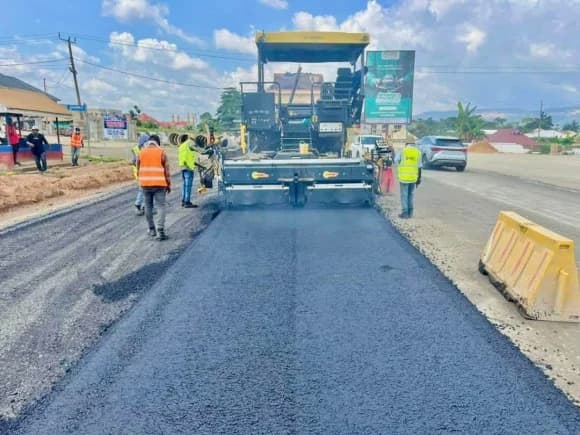
The Minister for Roads and Highways, Governs Kwame Agbodza, is spearheading a major reform in Ghana’s infrastructure sector by advocating for a significant extension of the standard one-year defect liability period in road contracts. Speaking during a recent site inspection of the Accra-Kumasi N6 highway, the Minister emphasized that the current twelve-month window is insufficient to hold contractors and consultants truly accountable for the long-term quality of their work. He argued that the existing framework does not adequately protect public investments, as defects often manifest shortly after the liability period expires, leaving the state to bear the cost of repairs.
The proposed changes aim to safeguard public funds by ensuring that contractors remain financially responsible for the integrity of their projects over a more substantial timeframe. To formalize these reforms, Minister Agbodza is engaging with his counterparts in the Ministries of Finance and Works and Housing to restructure the legal and financial terms of national road contracts. While expressing firm confidence in the technical expertise of Ghanaian engineers, the Minister stressed that this professional capability must be matched by a heightened sense of responsibility and a commitment to delivering infrastructure that can withstand the test of time.
In tandem with these policy shifts, the Ministry has also acted to clarify recent reports regarding project-site disputes. Kojo Danquah, a spokesperson for the Minister, addressed inaccuracies in media reports suggesting that Agbodza had accused a church associated with Prophet Stephen Adom Kyei-Duah of blocking road access. Danquah clarified that the claim originated from a contractor on-site and not the Minister himself. This clarification was supported by video evidence showing the Minister actually providing instructions to facilitate better access for the church and to resolve local drainage issues.
These developments reflect a broader ministerial strategy that combines rigorous project oversight with proactive community engagement. By pushing for stricter liability frameworks and ensuring clear communication during construction phases, the Ministry of Roads and Highways aims to set a new standard for infrastructure development. The transition toward longer liability periods is expected to incentivize higher construction standards and ensure that Ghana’s road network serves the public effectively for years to come.

