••
African Leaders and Policymakers Rally in Accra to Advance Economic Integration, Innovation, and Borderless Trade
•3 min read•6 sources
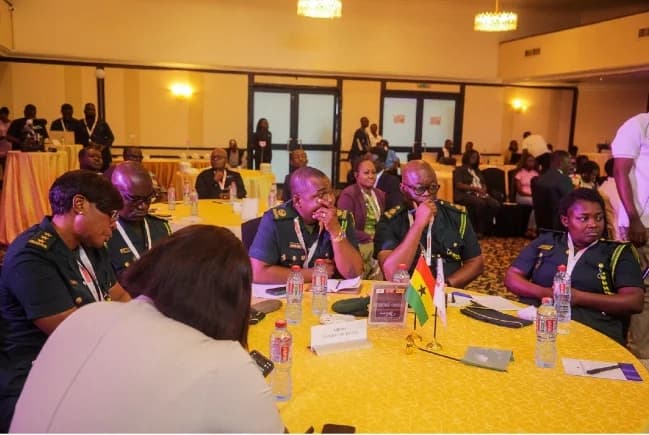
African leaders, policymakers, and private sector stakeholders are converging on Accra, Ghana, to accelerate the continent’s economic transformation through a series of high-profile summits focused on the African Continental Free Trade Area (AfCFTA) and AU Agenda 2063. The upcoming 'Elevate Africa 2026' gathering, themed 'Africa: Defining Her Future,' is set to gather Heads of State and youth leaders to shift trade links toward regional production hubs. This movement reflects a broader vision of economic self-reliance and resource sovereignty being championed under the leadership of President John Dramani Mahama, as Ghana continues to position itself as a central hub for intra-African commerce.
A critical component of this economic push is the urgent call for the removal of visa restrictions across the continent. Gabby Otchere-Darko, Founder and Executive Chairman of the Africa Prosperity Network, has emphasized that Africa’s 55 fragmented economies cannot provide sufficient opportunities for its youth without free movement. Drawing on the success of the ECOWAS regional model, Otchere-Darko argued that eliminating visa barriers is essential to unlocking job creation and preventing missed business opportunities. He warned that protecting limited domestic jobs at the expense of regional integration hinders the large-scale investment required to create a truly unified and competitive African market.
Supporting this vision, Betty Mould-Iddrisu of the Council of State has called for enhanced collaboration between the private sector, academia, and government to convert development plans into tangible economic opportunities. During the Africa Future Leaders Institute series, she noted that policy documents must be transformed into outcomes that improve living conditions. Minister of Trade Elizabeth Ofosu-Adjare further detailed government efforts to support this transition, including the establishment of a Women’s Development Bank and initiatives aimed at helping Micro, Small, and Medium Enterprises (MSMEs) overcome financing challenges to take advantage of the AfCFTA.
Beyond traditional trade, Africa is rapidly expanding its footprint in high-tech sectors, with national space budgets surging to $800 million in 2024. More than 20 African nations, including Rwanda and Senegal, are now operating space programs to enhance environmental monitoring and data control. Simultaneously, the digital economy is receiving a boost through a partnership between ProMark Elite Limited and KPMG, which aims to strengthen regulatory frameworks for digital assets. By focusing on compliance, taxation, and cybersecurity under new legislation like Ghana’s Virtual Asset Service Providers Act, the continent is laying the groundwork for responsible innovation and a modernized financial system that aligns with its long-term development goals.


