••
Africa CDC warns DR Congo Ebola outbreak is out of control
•2 min read•1 source
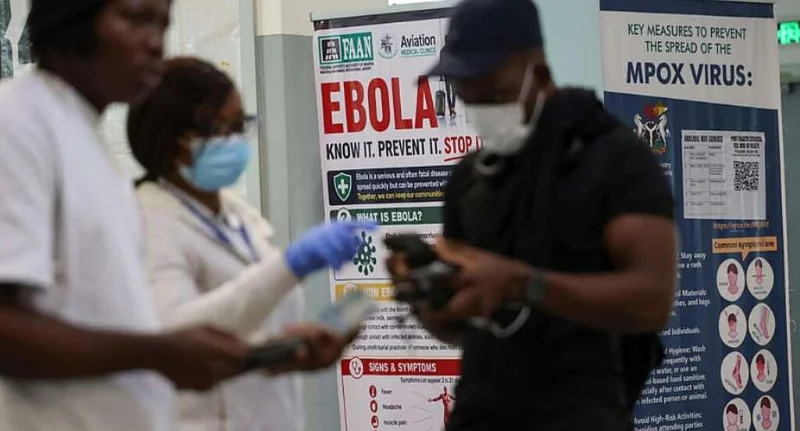
The Africa Centres for Disease Control and Prevention (Africa CDC) has issued a stark warning that the Ebola epidemic in the Democratic Republic of Congo (DRC) is currently not under control. Six months after the virus emerged in the Ituri province, the outbreak has spread to eight provinces, resulting in more than 11,200 infections and 5,500 deaths. Africa CDC Director-General Jean Kaseya described the situation as critical, noting that the response is facing significant operational hurdles.
Containment efforts are being undermined by a breakdown in surveillance and community-level management. Dr. Kaseya revealed that more than 80% of new Ebola cases were not on existing contact-tracing lists at the time of their diagnosis, indicating that the virus is spreading undetected through the population. Additionally, 65% of deaths are occurring within communities rather than in healthcare facilities, a trend that significantly increases the risk of further transmission during home care and traditional burial practices.
A major scientific challenge complicating the response is the specific strain of the virus involved. Unlike recent outbreaks that utilized effective vaccines, the current epidemic involves the Bundibugyo strain, for which there is no approved vaccine. This lack of a preventative pharmaceutical tool places the burden of control entirely on traditional public health interventions, such as early detection, isolation, and safe burials, which are currently proving insufficient to halt the spread.
While health authorities have noted improvements in the situation in neighboring Uganda and Kenya, the Africa CDC remains concerned about the potential for the virus to cross into other vulnerable nations. There is particular focus on the risks posed to the Central African Republic and South Sudan. The Africa CDC is calling for enhanced regional coordination and a more strategic use of resources to prevent the outbreak from becoming a broader international health emergency.
