••
Africa CDC launches Africa Research Preparedness Programme in Accra
•2 min read•2 sources
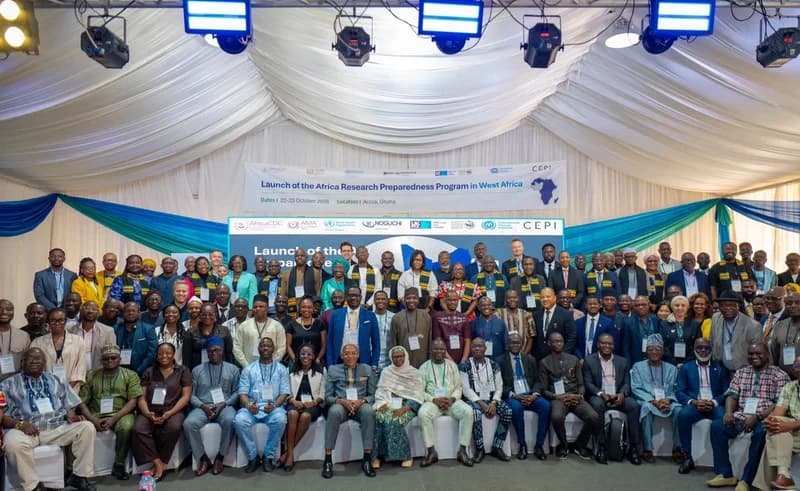
The Africa Centres for Disease Control and Prevention (Africa CDC) has officially launched the Africa Research Preparedness Programme in Accra. This regional initiative is designed to bolster West Africa's capacity to respond to infectious disease outbreaks by strengthening research governance and clinical trial readiness. By coordinating efforts across the region, the programme seeks to ensure that medical research can be rapidly deployed during health emergencies, addressing gaps exposed by previous crises such as Ebola and COVID-19.
At the heart of the initiative is a hub-and-spoke model intended to facilitate seamless collaboration among the 15 West African nations. The programme will establish and support clinical trial sites at key institutions, including the Noguchi Memorial Institute for Medical Research in Ghana, as well as designated centres in Burkina Faso and Nigeria. A primary objective of this structure is a target to activate clinical research protocols within 10 to 15 days of a new outbreak being identified. This speed is viewed as critical for testing vaccines and treatments in real-time under emergency conditions.
The launch brought together representatives from various international health organisations, including the Coalition for Epidemic Preparedness Innovations (CEPI) and the International Vaccine Institute (IVI). These partners highlighted the necessity of building a robust framework for managing infectious diseases like Mpox and other viral threats prevalent in the region. Experts at the event emphasised that sustained investment and regional integration are vital to moving beyond reactive measures toward a proactive, science-led public health response.
While the initial phase focuses on West Africa, the programme serves as a blueprint for similar initiatives planned for East and Central Africa. By creating a standardised environment for research and ethics, the Africa CDC aims to ensure that the continent is not merely a recipient of medical solutions but a leader in clinical discovery. The initiative marks a significant step toward health sovereignty, ensuring that future interventions are grounded in local data and regional expertise.

