••
Ghana Health Service activates emergency system for Ebola preparedness
•2 min read•3 sources
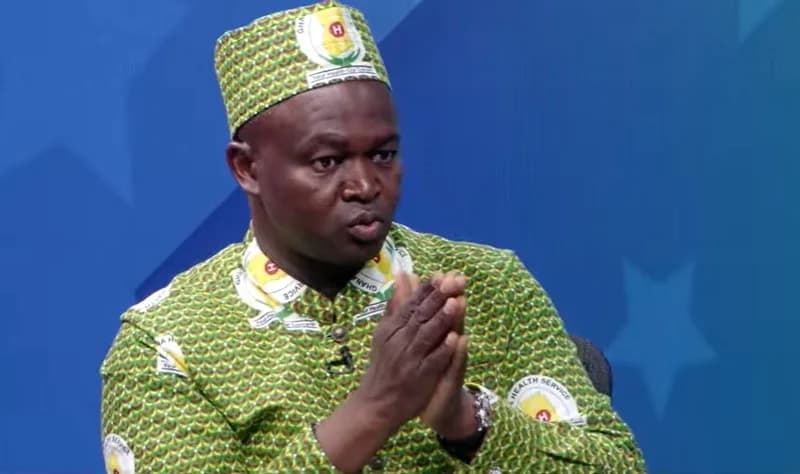
The Ghana Health Service (GHS) has officially activated its emergency operations center and initiated nationwide preparedness measures to counter the potential threat of an Ebola outbreak. Director-General Dr. Samuel Kaba Akoriyea confirmed that the service has conducted extensive simulation exercises to test the country's response capabilities following reports of confirmed cases in other African nations, including the Democratic Republic of Congo and Uganda. The move aims to ensure that Ghana's health infrastructure is prepared to identify, contain, and manage any imported cases of the virus.
As part of a comprehensive strategy, the GHS is collaborating with approximately 33 different agencies, including those in the education and security sectors, to ensure a coordinated national effort. The emergency operations center is now functioning continuously to monitor international health developments and facilitate critical cross-border cooperation with neighboring countries. Dr. Akoriyea noted that these coordinated efforts are essential to mitigating the risks associated with population movements and ensuring a unified response if an outbreak occurs within Ghana's borders.
In a significant technological shift, the GHS is also exploring the use of artificial intelligence (AI) to enhance its disease surveillance and emergency planning. By analyzing disease trends and population movement data, AI could help health officials predict potential outbreaks and identify emerging risks before they escalate. However, Dr. Akoriyea emphasized that the success of such technology depends heavily on the availability of reliable data and sustained collaboration across various sectors of the economy.
Addressing the challenges of public communication, Dr. Akoriyea cautioned that misinformation remains a significant hurdle in managing health emergencies. Drawing on lessons learned during the COVID-19 pandemic, he urged the public, journalists, and social media users to verify all health-related information through authoritative sources such as the GHS and the Ministry of Health. He stressed that preventing the spread of harmful rumors is just as vital as clinical preparedness in protecting public health and maintaining national stability.

