••
Minority Leader and GoldBod CEO Clash Over Alleged $1.7 Billion Gold Trading Losses
•3 min read•39 sources
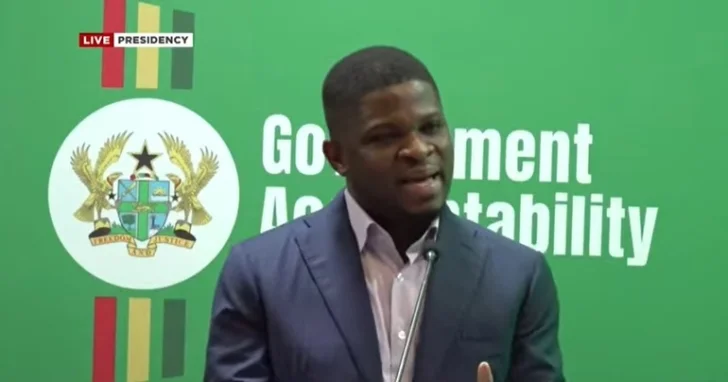
A high-stakes political and financial dispute has erupted between the Minority in Parliament and the Ghana Gold Board (GoldBod) regarding the financial health of the nation’s gold trading operations. Minority Leader Alexander Afenyo-Markin, representing the New Patriotic Party (NPP), has demanded immediate accountability for a reported $1.7 billion (GH¢22 billion) loss allegedly incurred under the Domestic Gold Purchase Programme (DGPP). Citing a recent International Monetary Fund (IMF) report, the Minority contends that these losses represent approximately 1.5% of Ghana’s GDP and have called for an ad hoc parliamentary committee to investigate the entire gold supply chain, from extraction to risk management. Afenyo-Markin has challenged the integrity of GoldBod’s accounting, suggesting that the institution is obscuring financial liabilities while the Bank of Ghana (BoG) bears the brunt of the fiscal damage.
GoldBod CEO Sammy Gyamfi has vigorously refuted these allegations, describing them as a "smear campaign" and "political blackmail." During a session of the Government Accountability Series on August 19, 2026, Gyamfi asserted that GoldBod actually recorded an operational surplus of GH¢907 million and an overall profit exceeding GH¢5.4 billion for the 2025 fiscal year. He cited findings from the Auditor-General to support these figures and clarified that the $1.7 billion loss mentioned by the IMF is attributable to the Bank of Ghana’s specific policy design, not GoldBod’s mismanagement. Gyamfi argued that the DGPP, initiated in 2021 under the previous Akufo-Addo administration, was intentionally structured to prioritize foreign exchange acquisition over direct profit generation to stabilize the cedi during periods of limited international capital access.
The debate has drawn significant attention from economic analysts and policy experts. Dr. Steve Manteaw, co-chair of the Ghana Extractive Industries Transparency Initiative (GHEITI), defended the reported losses as necessary "transaction costs" for securing foreign exchange and strengthening national reserves. He noted that similar costs have been incurred in previous years without such intense political scrutiny. Conversely, economist Professor Godfred Alufar Bokpin cautioned against crediting GoldBod for Ghana's recent macroeconomic stability, arguing that while the board has helped reduce gold smuggling, the country’s stability is primarily driven by broader fiscal and monetary policies. He warned that the costs associated with the domestic gold purchase arrangement might be unsustainable in the long term, noting that the government and the BoG are reportedly exploring an exit plan.
As the political rhetoric intensifies, with Afenyo-Markin warning of "scary" legal consequences for officials and Gyamfi dismissing such threats as "comic relief," the focus now shifts to Parliament. Gyamfi has expressed his readiness to appear before the Public Accounts Committee or any parliamentary probe to defend the institution’s records, challenging the Minority Leader to stop holding press conferences and utilize official legislative channels. The outcome of this dispute remains critical for the administration of President John Mahama, as it tests the transparency of state institutions and the government’s ability to manage Ghana’s vital extractive resources amid ongoing economic recovery efforts.
Related topic
NPP (New Patriotic Party): Latest News →Live rates
Ghana gold price →

