••
Prophet Adom Kyei-Duah Responds to Road Obstruction Allegations on Accra-Kumasi Highway
•2 min read•1 source
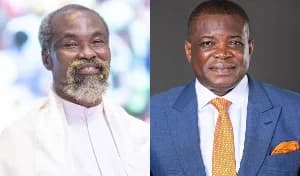
Prophet Stephen Adom Kyei-Duah, the leader of the Second Chance Church, has addressed concerns regarding the impact of his church's activities on the ongoing construction of the Accra-Kumasi Highway. The issue came to the forefront during a site visit by the Minister of Roads and Highways, Kwame Governs Agbodza, who identified the religious organization's operations as a point of obstruction for contractors working on this vital national artery. The highway project remains a high-priority infrastructure development under the current administration of President John Mahama, aimed at improving safety and transit times between the capital and the northern parts of the country.
During the Minister's inspection, Prophet Adom Kyei-Duah claimed he was previously unaware that the church's activities were interfering with the construction progress. The prophet stated that he only became cognizant of the specific grievances after the direct intervention of Minister Agbodza. The reports suggested that the congregational traffic and perhaps temporary structures associated with the church were creating bottlenecks that prevented heavy machinery and construction crews from operating at full capacity, thereby threatening the project's timeline.
The Accra-Kumasi Highway is one of Ghana's most critical transport routes, and any delays have significant economic consequences, including increased transport costs and potential safety hazards for commuters. Minister Agbodza’s site visit and subsequent report to the church leadership underscore the government's firm stance on removing physical and logistical barriers to public infrastructure projects. This interaction highlights the ongoing challenges of urban planning in areas where high-traffic religious or social institutions are located in close proximity to major road expansion zones.
As construction continues, the Ministry of Roads and Highways is expected to maintain close oversight to ensure that no further disruptions occur. For the Second Chance Church, the engagement marks a necessary shift toward better coordination with municipal and construction authorities to manage their large following without impeding national development goals. The government’s proactive approach in this instance serves as a notice to other organizations along major thoroughfares that the completion of national infrastructure remains a non-negotiable priority.
Related topic
John Mahama: Latest News & Updates →
