••
ActionAid and LoGSAPP Demand Global Financial Reforms to Address Climate Crisis and Debt Burdens
•3 min read•6 sources
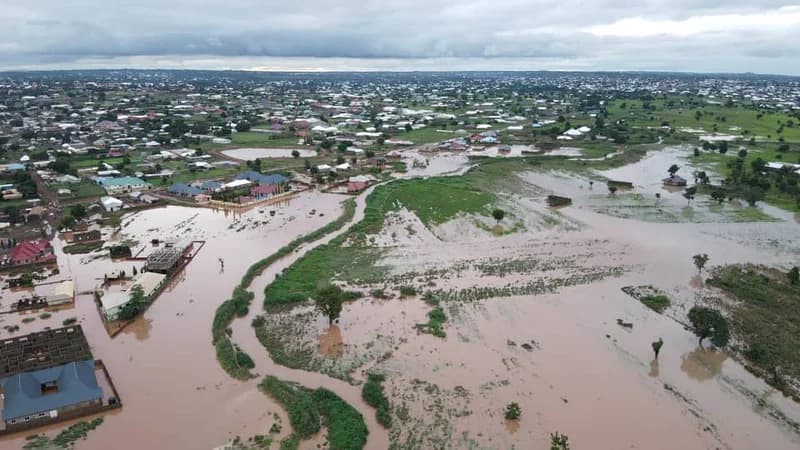
A landmark report by ActionAid and Development Finance International (DFI) has revealed a staggering imbalance in the global financial system, with climate-vulnerable countries spending nearly 25 times more on debt repayments than on climate action. The study warns that by 2026, these nations will allocate approximately 65% of their combined government revenue to service debt, a burden totaling an estimated $304.8 billion. This financial strain creates a 'vicious cycle' where countries are forced to borrow heavily to recover from climate-related disasters, leading to austerity measures that further hinder investment in disaster preparedness and green transitions. In extreme cases, such as Senegal and Malawi, debt servicing is projected to consume between 70% and 96% of national revenue, severely limiting resources for health, education, and social protection. In response to these global pressures, the Local Government Service Association of Physical Planners (LoGSAPP) has called on the Ghanaian government to prioritize climate resilience within national and local development frameworks. LoGSAPP emphasizes that critical decisions affecting environmental safety are frequently made at the local level by metropolitan, municipal, and district assemblies (MMDAs). The association advocates for more effective planning in land use and waste management, alongside increased access to climate finance for African nations. They suggest that the successes of international agreements like the Montreal Protocol demonstrate that collaborative, well-funded efforts can achieve significant environmental outcomes if local authorities are empowered to act. Amidst these fiscal challenges, domestic infrastructure projects continue to move forward under the government's development agenda. In the Ho West Constituency, Member of Parliament Emmanuel Kwasi Bedzrah highlighted the inclusion of eight communities in the '2026 Big Push' rural electrification project. This initiative, which began in September 2026, aims to improve living conditions and economic opportunities in underserved areas such as Abutia and Kpoeta. However, the broader global economic landscape remains volatile; for instance, India currently faces a 100% tariff threat from the United States over its purchase of discounted Russian oil, illustrating the complex geopolitical and energy security pressures that complicate the economic strategies of the Global South. ActionAid and its partners are now demanding urgent systemic reforms, including the cancellation of unsustainable external debt and a shift from loan-based to grant-based climate financing. The report calls for a UN framework on sovereign debt to ensure that nations can meet their climate commitments without sacrificing essential public services. By alleviating these debt burdens, advocates argue that vulnerable countries could significantly increase funding for climate initiatives, fostering a more sustainable and resilient future for the communities most affected by the climate crisis.

