••
Greater Accra Schools Launch SCAWS Waste Initiative as ATU Introduces Trichology HND
•2 min read•5 sources
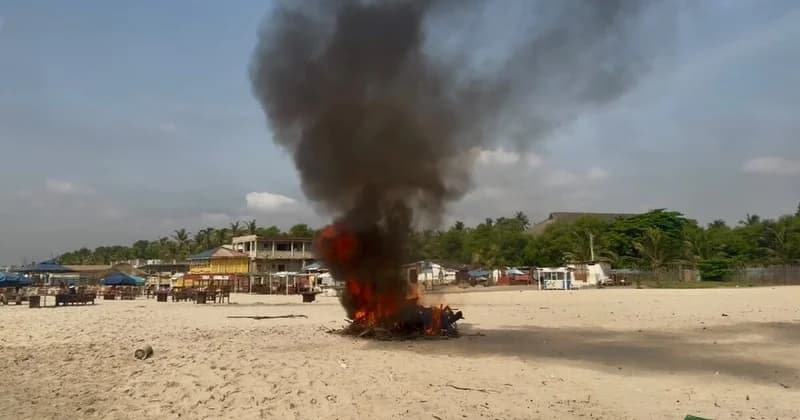
On September 7, 2026, coinciding with the International Day of Clean Air for Blue Skies, six Senior High Schools in the Greater Accra Region officially launched the Schools for Clean Air and Waste Segregation (SCAWS) project. This environmental initiative, led by Impact Footprints Africa (IFA) and supported by the Clean Air Fund in partnership with the Ghana Education Service (GES), seeks to transform waste management within the secondary education sector. The pilot program focuses on introducing robust waste segregation systems, expanding composting efforts, and eliminating the hazardous practice of open waste burning, which frequently plagues school environments.
The participating institutions include Achimota School—where the project was inaugurated—alongside Accra Academy, Wesley Grammar School, St. John’s Grammar School, St. Mary’s Secondary School, and Westfield Bridge College. By engaging students, faculty, and school management, the project aims to foster a deep-rooted culture of environmental responsibility. Beyond immediate sanitation improvements, the GES and its partners intend to use the insights gathered from these six schools to develop a replicable model for nationwide implementation, addressing the growing challenge of plastic and organic waste management in Ghana’s educational institutions.
In a separate development aimed at advancing technical and vocational training, Accra Technical University (ATU) has partnered with Abrantie College to launch a groundbreaking Higher National Diploma (HND) in Paramedical Trichology. This three-year program is the first of its kind in the country, designed to merge traditional cosmetology with medical trichology to address scalp and hair health. Deputy Minister of Education, Dr. Clement Abas Apaak, highlighted the initiative as a significant milestone for national transformation, providing a formal educational pathway for over 8,000 beauty practitioners who previously lacked access to higher tertiary qualifications.
These dual developments reflect a broader shift in the Ghanaian education landscape toward practical, specialized training and sustainable campus management. While the SCAWS project prepares students to be environmental stewards, the ATU trichology program professionalizes an essential service sector, positioning Ghana as a regional hub for advanced technical training. Both initiatives highlight the commitment of academic institutions to aligning education with modern market demands and global environmental standards, ensuring that the next generation of graduates is both ecologically conscious and professionally skilled.
Related topic
Ghana Education Service (GES): Latest News Today →

