••
Zoomlion and Local Authorities Launch Massive Post-Flood Disinfection Across Greater Accra and Western Regions
•2 min read•3 sources
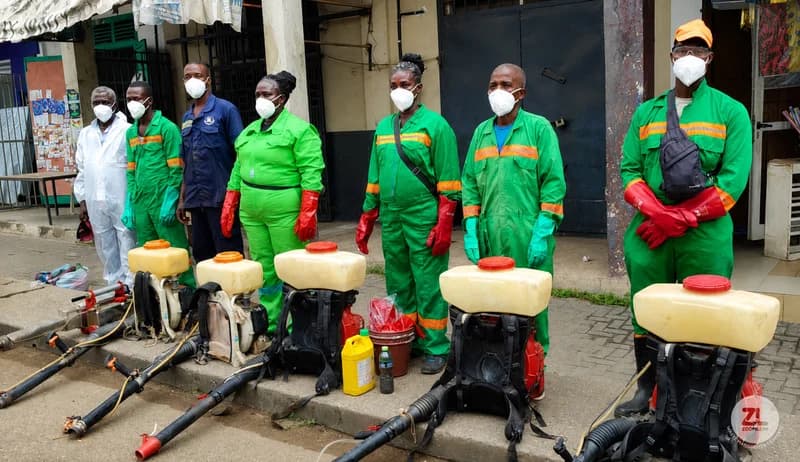
Zoomlion Ghana Limited has launched a comprehensive disinfection and fumigation campaign across the Greater Accra and Western Regions to mitigate the risk of disease outbreaks following recent heavy flooding. The initiative, which covers dozens of Metropolitan, Municipal, and District Assemblies (MMDAs), is designed to neutralize pathogens and disease-causing microorganisms that thrive in the aftermath of flood events. By targeting public spaces, markets, and sanitary facilities, the exercise seeks to protect residents from potential epidemics such as cholera, typhoid, and malaria. This self-funded Corporate Social Responsibility (CSR) effort aims to support local sanitation infrastructure during a period of heightened environmental vulnerability.
In the Greater Accra Region, the campaign spans 29 MMDAs and follows significant flooding that occurred on June 29. Richard Donkor, the Municipal Environmental Health Officer for Ayawaso North, has urged the public to take post-flood disinfection seriously, warning that floodwaters are often contaminated with waste from septic tanks, public toilets, and dumping sites. Donkor emphasized that flood runoff is far more hazardous than ordinary wastewater, often carrying harmful pathogens directly into residential areas. While acknowledging that some disinfection efforts began later than ideal, he noted that the partnership between local authorities, the Presidency, and Zoomlion is a critical safeguard for community health.
Simultaneously, Zoomlion has extended its reach to the Western Region, initiating a regional fumigation exercise across all 14 MMDAs. Starting in the Sekondi-Takoradi and Effia-Kwesimintsim areas, the program specifically targets stagnant water and high-traffic public spaces to prevent mosquito breeding and bacterial spread. Patrick Akorful, the Western Regional Manager for Zoomlion, highlighted the urgency of these interventions and called for full public cooperation to ensure the effectiveness of the free service. Residents and local officials have expressed relief and gratitude for the intervention, citing it as an essential layer of protection for public health safety following the rains.
As the disinfection teams continue their work through various communities, health experts stress that these exercises must be paired with sustained collective responsibility. Beyond the immediate fumigation efforts, maintaining consistent sanitation practices and properly managing household waste remain essential for long-term prevention. The ongoing collaboration between the private sector and local government reflects a strategic approach to managing the health implications of climate-related events, ensuring that the impact of seasonal flooding does not escalate into a public health crisis.