••
Volodymyr Zelensky reports Russian strikes on six Ukrainian energy sites
•2 min read•1 source
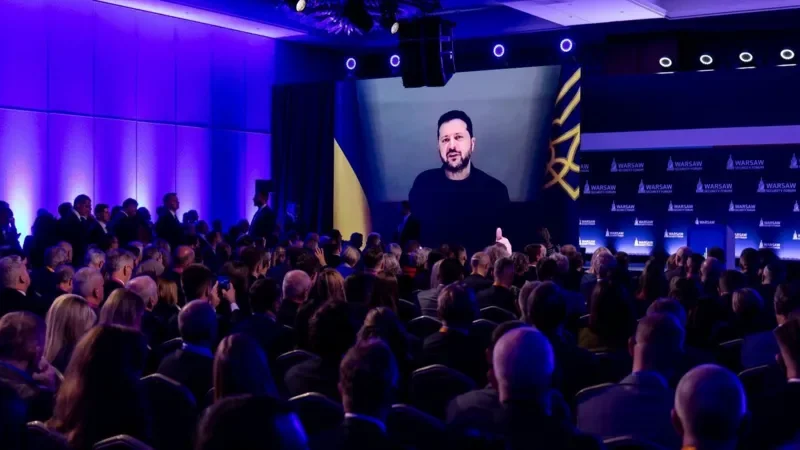
President Volodymyr Zelensky has reported that Russian forces launched strikes on six energy facilities across Ukraine, a move that directly contradicts recent claims of an immediate energy ceasefire. This development follows an announcement by United States President Donald Trump regarding a cessation of hostilities targeting energy infrastructure between the two nations. The attacks resulted in widespread blackouts and several reported injuries, which Zelensky characterized as a clear refusal by Moscow to comply with any halt in hostilities.
The strikes specifically targeted critical infrastructure in various regions, leading to a new wave of power cuts that have strained the country's national grid. According to the Ukrainian presidency, the deliberate nature of the attacks demonstrates that Russia is not prepared to stop its campaign against civilian energy supplies, despite the diplomatic assertions coming from Washington. Zelensky noted that these actions undermine international efforts to stabilize the energy sector, which has been a primary target throughout the ongoing conflict.
The geopolitical situation has been further complicated by the specific details surrounding the proposed ceasefire. US President Trump had suggested that Ukraine should halt its own strikes on Russian oil facilities as part of a broader deal that could potentially include diesel supplies. However, the continuation of Russian aerial campaigns against Ukrainian power plants suggests that any agreement reached in principle has not yet translated into a tangible reduction of hostilities on the ground.
International reactions to the strikes have been mixed, with many leaders expressing skepticism regarding Russia's willingness to adhere to diplomatic agreements. While the prospect of an energy truce was initially seen as a possible step toward de-escalation, the destruction of the six facilities has reinforced calls for more robust defense measures for Ukraine. As local authorities work to repair the damaged infrastructure and restore power, the future of international mediation in the conflict remains under significant pressure.
