••
Volodymyr Zelenskiy criticises lack of warning for 200-drone Russian attack
•2 min read•1 source
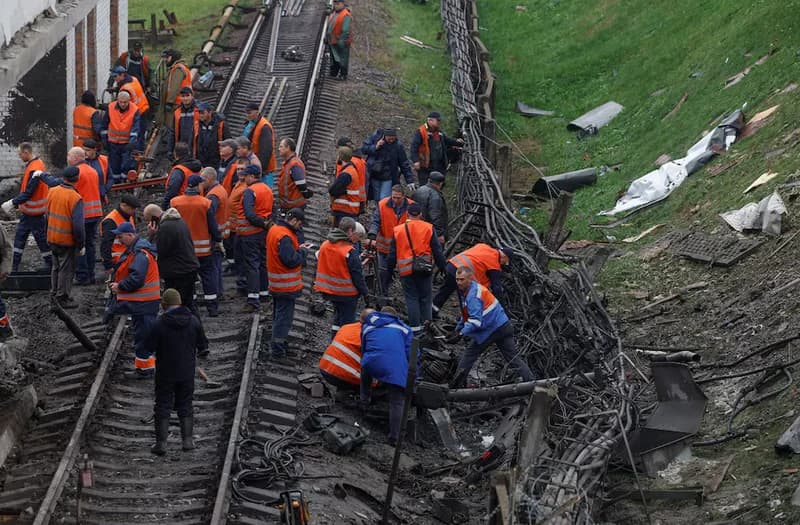
Ukrainian President Volodymyr Zelenskiy has expressed frustration following a massive Russian aerial assault, claiming that Ukraine's international partners failed to provide advance intelligence or early warning. The overnight attack, which involved a combination of 16 ballistic missiles and more than 200 drones launched across various regions, targeted critical infrastructure and residential areas. Zelenskiy’s public criticism marks a notable point of contention regarding the flow of strategic information between Kyiv and its allies.
The assault resulted in significant casualties and infrastructure damage, leading to the deaths of at least three individuals, including a woman in Kyiv. According to reports, more than 10 energy facilities were damaged during the strikes, causing widespread power outages that left over 500,000 households without electricity. A spokesperson for the Ukrainian air force confirmed that no advance intelligence was shared prior to the initial strikes, hindering the military's ability to prepare for the high-volume barrage.
The lack of warning has sparked a diplomatic dispute, particularly with the United States. While President Zelenskiy emphasised the vulnerability created by the intelligence gap, U.S. officials have denied any deliberate halt in intelligence sharing with Ukraine. This development highlights increasing tensions regarding the consistency of international support and the coordination of air defence efforts as Russia continues to target the country's energy grid.
As technical teams work to restore power to affected regions, the incident underscores the ongoing challenges facing Ukraine’s energy security and civil protection. The scale of the coordinated attack and the subsequent breakdown in communication suggest a need for renewed coordination between Ukraine and its Western partners to ensure better protection against future large-scale offensives. The situation remains a critical focus for the Ukrainian government as it seeks to fortify its defences against sustained aerial threats.