••
Zanetor Agyeman-Rawlings demands climate finance for Africa at COP31
•2 min read•2 sources
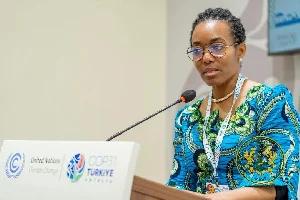
Dr. Zanetor Agyeman-Rawlings, speaking at the COP31 summit in Antalya, T7rkiye, has called on developed nations to move beyond rhetoric and fulfill their climate finance commitments. Addressing the Africa Day Ministerial Segment on November 15, 2026, she emphasized that the continent requires immediate and equitable access to funding to support its green industrialization and combat the disproportionate impacts of climate change. Her address served as a call for international partners to deliver on actionable outcomes rather than stalling on previous pledges.
The Minister urged African nations to shift their global narrative from one of seeking assistance to demanding accountability. She argued that since Africa contributes minimally to global greenhouse gas emissions yet remains one of the most vulnerable regions to climate-induced disasters, developed nations have a moral and financial obligation to honor their promises. This stance was shared during the African Ministerial Conference on the Environment (AMCEN) meeting, where she highlighted the necessity of a unified African voice in global negotiations to ensure climate justice.
A central pillar of her address was the demand for fair trade agreements regarding Africa’s critical minerals. Dr. Agyeman-Rawlings stressed that for a just energy transition to be successful, African countries must benefit fairly from the extraction and trade of minerals essential for global green technologies. She advocated for investments that facilitate value addition within the continent, rather than the mere exportation of raw materials, to fuel Africa's own sustainable development and green industrialization goals.
Reaffirming Ghana’s dedication to these objectives, Dr. Agyeman-Rawlings called for the establishment of fair carbon markets and a restructured approach to global climate negotiations. She noted that without a predictable and transparent flow of climate finance, the continent's ambitions for a sustainable future would remain hindered. The address underscores a growing demand among African leaders for a global financial architecture that recognizes the continent's unique challenges and its potential as a hub for the global green energy transition.


