••
Zambia signs $1.5bn health financing agreement with United States
•2 min read•1 source
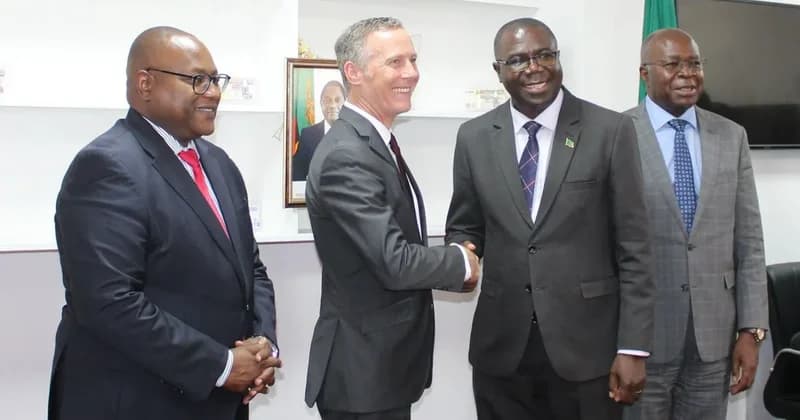
Zambia and the United States have officially signed a five-year health financing agreement worth approximately $1.5 billion (#1.1 billion). The deal, finalized in Lusaka, follows a period of public dispute concerning medical data privacy and allegations regarding mineral rights. This agreement marks a significant milestone in bilateral relations, ensuring continued support for Zambia's healthcare sector while addressing domestic concerns over sovereignty and data security.
The revised agreement specifically addresses criticisms from civil society groups who had previously warned about potential privacy violations and one-sided data sharing. Health Minister Roma Chilengi confirmed that controversial clauses requiring the transfer of biological specimens to the United States have been removed from the final text. Instead, the deal now stipulates a limited exchange of data purely for monitoring the effectiveness of health programs, ensuring greater privacy for Zambian citizens.
Prior to the signing, the negotiation process was clouded by allegations that the funding was tied to preferential access to Zambia's mineral resources. While the United States has denied these claims, the finalized deal aims to move past these suspicions and establish a more transparent framework. The agreement also arrives at a time when the broader landscape of US foreign aid has been volatile, with past budget cuts to agencies like the US Agency for International Development (USAID) impacting health responses across various African nations.
The new financing model is designed as a collaborative transition, with US funding expected to gradually decrease over the five-year period. This shift places a greater responsibility on the Zambian government to incrementally increase its own health expenditure to sustain the programs. By securing this $1.5 billion investment, Zambia aims to strengthen its health infrastructure and response capabilities while establishing a more balanced and sustainable partnership with international donors.
