••
Zakaria Abdulai arrested over Obuasi SHTS sexual misconduct allegations
•2 min read•27 sources
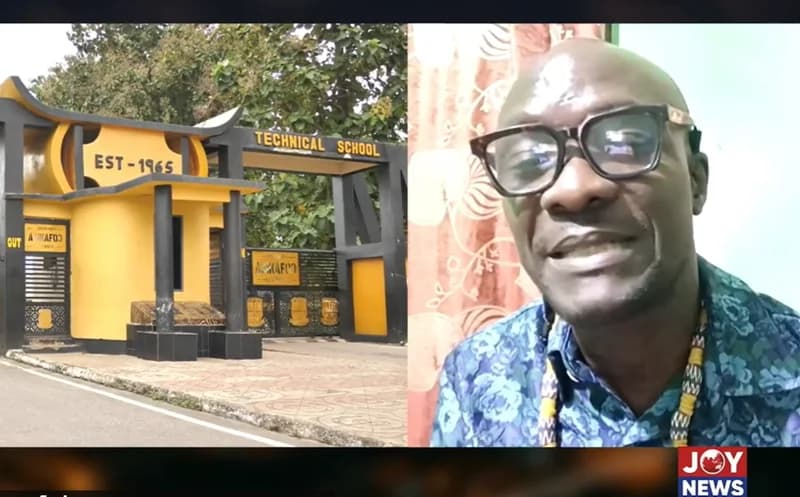
Zakaria Abdulai, the headmaster of Obuasi Senior High Technical School (SHTS), has been arrested and interdicted following allegations of sexual misconduct involving multiple female students. Interior Minister Mohammed Mubarak Muntaka confirmed the arrest during a session with Parliament’s Public Accounts Committee on October 20, 2026. The case, which involves allegations from approximately 19 students, has been transferred from regional authorities to the Police Headquarters in Accra for a more intensive investigation. The Criminal Investigations Department (CID) is currently seeking DNA evidence as part of the legal proceedings, while the headmaster remains interdicted pending the outcome of the case.
The scandal gained national attention following an investigative documentary by journalist Manasseh Azure Awuni, which detailed claims of predatory behavior and systemic negligence. Beyond the primary allegations against Abdulai, safeguarding experts have flagged several "red flags" within the school’s culture, such as staff members requesting students to deliver food to their private residences. Dr. Millicent Adjei, a safeguarding lead at Ashesi University, and Amartey K. Amartey, a UK-based safeguarding officer, both condemned these practices as gross boundary violations that left students vulnerable to exploitation. In response to the fallout, the Ghana Education Service (GES) has suspended two education directors as investigations continue into why earlier complaints were reportedly suppressed.
The Ministry of Education has admitted that the existing bureaucratic structure within the GES failed to protect the students. Deputy Minister Dr. Clement Abas Apaak acknowledged that the reporting system "collapsed" because local administrators allegedly buried complaints at the institutional level. Records indicate that a report reached the GES Director-General on September 16, yet significant action was delayed until the Minister of Education intervened in mid-October. To address these structural flaws, the Ministry has proposed a new direct reporting portal to bypass local hierarchies, alongside calls from groups like the Aya Institute for an independent national audit of school safeguarding measures.
Vice President Professor Naana Jane Opoku-Agyemang has emphasized that the law must take its course, stressing the importance of due process to ensure accountability and justice for the students. Meanwhile, organizations including the Medical Women Association of Ghana (MWAG) and SOS Children’s Villages Ghana have pledged medical, psychosocial, and educational support for the affected survivors. As the CID inquiry proceeds, public discourse has shifted toward the necessity of mandatory safeguarding training for all educators to prevent future abuses and restore trust in the nation’s secondary schools.
Related topic
Ghana Education Service (GES): Latest News Today →

