••
Dr. Ishmael Yamson Condemns Xenophobic Attacks in South Africa and Questions Contradictions in Continental Trade
•2 min read•2 sources
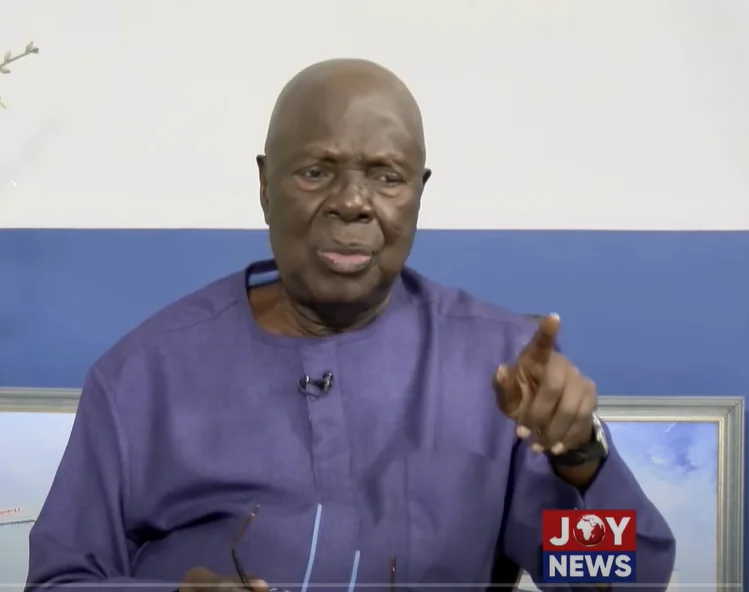
Dr. Ishmael Yamson, Board Chairman of MTN Ghana, has issued a stern condemnation of recent xenophobic violence in South Africa, which tragically claimed the lives of two Ghanaian nationals. Expressing deep-seated frustration and anger, Dr. Yamson clarified that while MTN Ghana initially withheld public comment to coordinate with the South African Chamber of Commerce in Ghana, the company now stands firmly against these acts of aggression. He emphasized that the telecommunications giant, though South African in origin, is predominantly staffed by Ghanaians and remains committed to the safety and dignity of all African citizens.
During an appearance on Joy News, Dr. Yamson criticized the inherent contradiction in South Africa’s pursuit of continental economic leadership while its citizens violently reject the very people required for such integration. He posed the poignant question, “You want the trade, but not the people?” highlighting the illogical nature of promoting the African Continental Free Trade Area (AfCFTA) while targeting foreign nationals. According to Yamson, South Africa’s economic struggles are being unfairly blamed on migrants, describing the focus on foreigners as a misguided scapegoating tactic designed to deflect from internal economic mismanagement.
Beyond the immediate human tragedy, the Chairman also addressed the potential for retaliatory actions against South African-linked businesses operating within Ghana. He urged Ghanaians to refrain from targeting these companies, noting that such moves would be counterproductive to the goal of regional integration. He underscored that the vast majority of MTN’s workforce in Ghana consists of local citizens, meaning any harm to the business would ultimately hurt the Ghanaian economy and its people. This call for restraint reflects a broader need for diplomatic and corporate maturity in the face of cross-border tensions.
Reflecting on the continent’s shared history, Dr. Yamson invoked Ghana’s legacy as a leader in African liberation struggles, reminding the public that the spirit of pan-Africanism requires decency and fairness toward all nationals. He argued that for true economic integration to succeed, African nations must move beyond xenophobia and create environments where both capital and people can move freely. These incidents serve as a sobering reminder that without social cohesion and the protection of human rights, the ambitious goals of a unified African market will remain difficult to achieve.


