••
World Vision Ghana calls for sustained investment in hygiene facilities
•2 min read•1 source
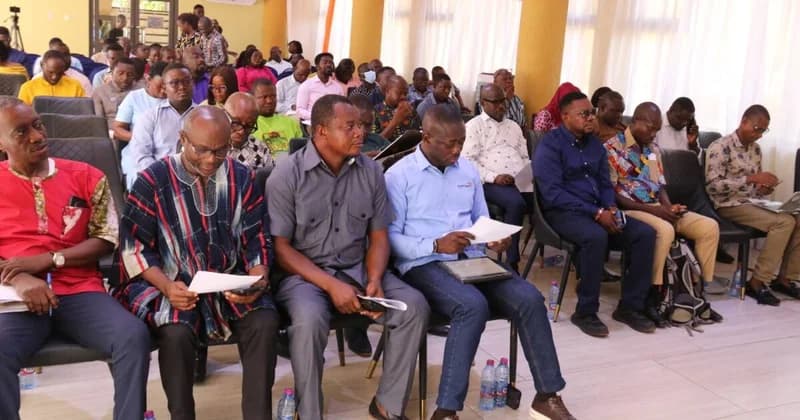
World Vision Ghana has called on the government and stakeholders to significantly increase and sustain funding for hygiene infrastructure across the country. Speaking at the Regional Hand Hygiene and WASH Leadership Summit 2026 in Bolgatanga, the organisation's Interim National Director, Joshua Roland Baidoo, argued that public awareness campaigns alone are insufficient to improve hand hygiene practices. He emphasized that the absence of physical infrastructure, such as reliable water sources and soap, remains a critical barrier to significant public health progress.
Mr. Baidoo highlighted the stark reality in many Ghanaian communities where essential handwashing facilities are virtually non-existent. He noted that even in areas where residents are fully aware of the importance of hygiene, the lack of infrastructure prevents them from practicing what they know. The situation is particularly concerning in the Upper East Region, where data from 2025 indicates that open defecation rates stand at 63.7%. World Vision Ghana contends that without strategic investments in these specific areas, regions with high defecation rates will continue to struggle with preventable disease outbreaks linked to poor sanitation.
The call for action includes a demand for hygiene to be integrated directly into national public health and development planning. Mr. Baidoo stressed that collaborative efforts from various sectors are required to bridge the current funding gap. World Vision Ghana’s strategy focuses on enhancing access to handwashing facilities within schools and healthcare centers, which are considered frontline environments for infection control. These efforts are part of a broader commitment to help Ghana meet its targets under the United Nations Sustainable Development Goals (SDGs) by 2030.
To achieve these targets, the organisation is advocating for a shift from temporary, one-off projects to long-term, sustainable hygiene funding models. By prioritizing the installation of permanent Water, Sanitation, and Hygiene (WASH) infrastructure in vulnerable districts, World Vision Ghana believes the government can move beyond mere education and foster a genuine national culture of hygiene. This investment is viewed as a foundational step toward building a more resilient healthcare system and ensuring the long-term health of all citizens.