••
World Vision Ghana reports 84% of health facilities lack adequate toilets
•2 min read•1 source
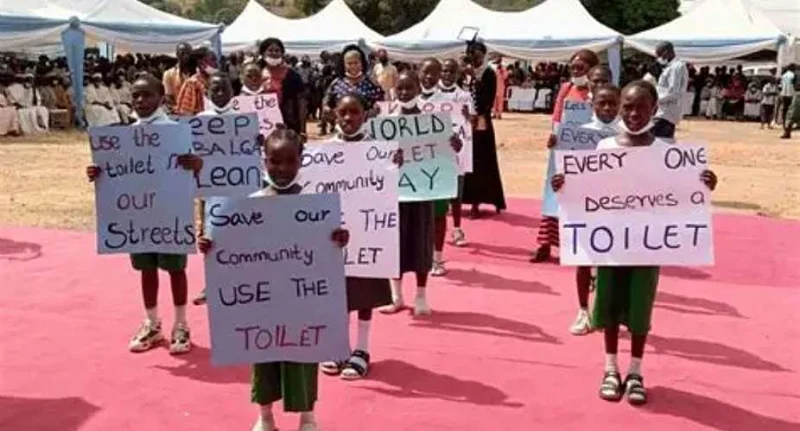
World Vision Ghana has raised an alarm over severe sanitation deficits in public institutions, revealing that 84% of healthcare facilities and 26% of public basic schools across the country lack adequate toilet facilities. Ahead of the 2026 World Toilet Day, the organization is calling for urgent interventions to restore dignity and health to students and patients. This data highlights a critical gap in the nation's infrastructure, particularly affecting the most vulnerable populations who rely on these essential services.
Speaking ahead of the 2026 World Toilet Day celebrations, Yaw Attah Arhin from World Vision Ghana emphasized the dire consequences of these statistics on the well-being of Ghanaians. He noted that many schoolchildren are frequently forced to choose between using unhygienic facilities or skipping school altogether. The impact is especially pronounced for women and girls, for whom the lack of private and safe sanitation options poses significant challenges to their education, safety, and personal hygiene management.
To address these challenges and raise public awareness, World Vision Ghana is organizing a series of events, including the 2026 World Toilet Day Special Draught Championship. By utilizing sports and cultural engagement, the campaign aims to draw national attention to the sanitation crisis before the official observance on November 19. The organization maintains that when toilets are missing, dignity is lost, and the safety of healthcare environments is compromised for both patients and medical staff.
The campaign serves as a formal call to action for the government and development stakeholders to prioritize the construction and maintenance of sanitation facilities in public institutions. Improving these standards is seen as a prerequisite for achieving broader national health and education goals. As the country prepares for World Toilet Day, the focus remains on advocating for sustainable nationwide improvements that ensure every school and clinic is equipped with the necessary facilities to protect public health.