••
World Vision Ghana and Ahafo Assemblies Partner to Reach 90% Universal WASH Coverage
•2 min read•1 source
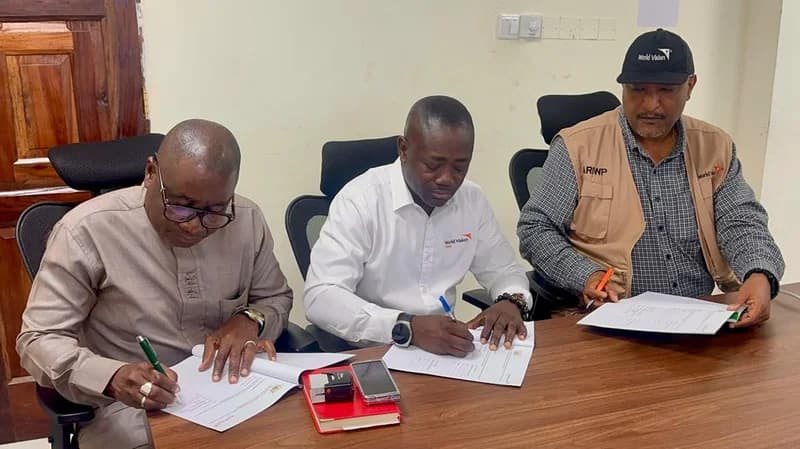
World Vision Ghana has formalized a significant partnership with the Asunafo North Municipal and Asutifi North District Assemblies in the Ahafo Region to accelerate progress toward universal water, sanitation, and hygiene (WASH) coverage. By signing a Memorandum of Understanding (MoU), the organizations have committed to a collaborative framework aimed at providing safely managed water and sanitation facilities to rural communities. The primary objective is to ensure that at least 90% of the population in these districts gains access to high-quality WASH services by the project’s conclusion, addressing a critical gap in rural health infrastructure and setting a high benchmark for regional development. To achieve these ambitious targets, the initiative will leverage the Community-Led Total Sanitation (CLTS) strategy, which focuses on behavioral change and community ownership to improve hygiene standards and eliminate open defecation. A standout feature of the agreement is the introduction of a Professional Management Model and Water Facility Insurance. These mechanisms are designed to move beyond traditional aid by providing a sustainable business and maintenance framework, ensuring that water systems do not fall into disrepair—a frequent challenge for rural infrastructure projects across the country. Under the terms of the agreement, World Vision Ghana will contribute essential technical expertise and funding resources to facilitate the construction and upgrading of facilities. The local government assemblies will play a pivotal role in community mobilization and the enforcement of sanitation bylaws, ensuring that the infrastructure is integrated into local governance structures. This dual-layered approach aims to enhance local accountability and capacity, ensuring that the benefits of the project are preserved for future generations. Leaders from the Asunafo North and Asutifi North districts have pledged their full support, emphasizing that reliable access to clean water is a fundamental pillar of public health and economic productivity. This partnership serves as a model for how non-governmental organizations and local government units can align their resources to meet the United Nations' Sustainable Development Goal 6. By integrating insurance and professionalized management into the project design, the partners are addressing the sustainability gap that often plagues rural development. As the initiative rolls out, it is expected to significantly reduce the prevalence of waterborne diseases and improve the overall quality of life for residents in the Ahafo Region, potentially providing a blueprint for similar health-focused collaborations across Ghana.
