••
World Patient Safety Day Commemoration in Accra Highlights Strategies for Managing Non-Communicable Diseases
•2 min read•1 source
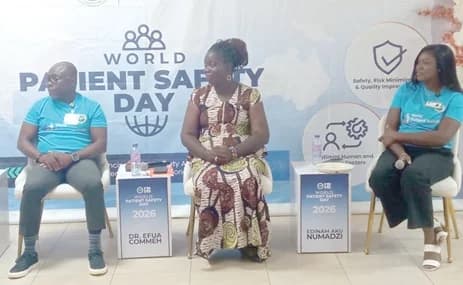
World Patient Safety Day was recently commemorated in Pantang, Accra, as healthcare stakeholders gathered to address the critical intersection of patient safety and the management of Non-Communicable Diseases (NCDs). The event served as a platform to advocate for enhanced healthcare protocols and more robust patient engagement strategies within Ghana's medical landscape. Amidst growing concerns over the prevalence of chronic conditions, experts emphasized that patient safety must remain a cornerstone of clinical practice to ensure better health outcomes and reduce avoidable harm.
During the event, Dr. Arthur Sackey Fio from Focos Hospital highlighted the necessity of a multidisciplinary approach to patient care. He urged for comprehensive strategies that involve every tier of the healthcare workforce, from administrative staff to specialist physicians. Central to his message was the importance of effective communication and safe medication practices, particularly for patients managing long-term conditions where the risk of medication errors is heightened. By fostering a culture of transparency and collaboration, the healthcare sector can significantly mitigate the risks associated with the clinical management of NCDs.
The urgency of the discussion was underscored by recent health data, including a 2023 survey that revealed alarmingly high rates of hypertension among Ghanaian adults. This statistic highlights a broader public health challenge, as NCDs continue to exert a heavy burden on the national healthcare system. Speakers at the commemoration pointed out that lifestyle modifications and preventive healthcare measures are essential tools in reducing NCD risks. They called for increased public awareness campaigns to educate citizens on the importance of regular screenings and early intervention, which are vital components of a patient-centered safety framework.
As the commemoration concluded, the call to action was clear: improving patient safety requires an active partnership between healthcare providers and the patients themselves. Empowering patients to take an active role in their treatment journeys is seen as a crucial step toward achieving higher safety standards. Moving forward, stakeholders expressed hope that the insights shared during the World Patient Safety Day activities would translate into concrete policy changes and improved clinical guidelines, ultimately strengthening Ghana’s healthcare delivery system for the benefit of all citizens.

