••
WHO Calls for 5,000 Health Workers as DRC Ebola Death Toll Surpasses 3,000 Lives
•2 min read•2 sources
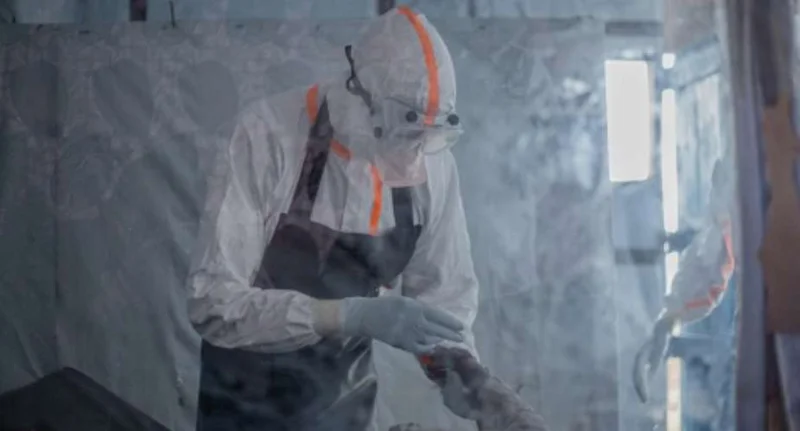
The Democratic Republic of Congo (DRC) is facing a critical escalation of its ongoing Ebola outbreak, with the death toll now surpassing 3,175 lives since mid-May. According to the World Health Organization (WHO), the crisis has spread across six provinces, resulting in more than 6,600 confirmed cases. This particular outbreak is being driven by the Bundibugyo strain of the virus, a variant for which there is currently no approved vaccine or specific medical treatment, significantly complicating efforts to contain the spread and save those infected.
In response to the overwhelming scale of the epidemic, the WHO has issued an urgent appeal for 5,000 additional health workers to bolster the local response. The current healthcare workforce is severely overstretched as it attempts to manage the influx of patients. Furthermore, there is a significant gap in treatment infrastructure; while the WHO has set a goal of 3,000 patient beds across various treatment centers, only 1,400 have been established so far, leaving a critical deficit of 1,600 beds needed to provide adequate isolation and care.
Concrete steps are being taken to address these shortages, including the WHO-coordinated expansion of the Lita treatment centre in Ituri province. This project, which is being funded and overseen by the organization, will add 42 beds to the facility and enhance essential health and hygiene infrastructure. By increasing local treatment capacity in one of the most affected regions, health officials hope to provide better clinical management for patients and reduce the risk of community transmission.
However, the path to containing the virus remains fraught with challenges beyond medical supplies. The response is hampered by the DRC's fragile health infrastructure and the presence of armed groups in the affected regions, which often creates security risks for medical teams and disrupts patient access to care. WHO officials emphasize that without the rapid deployment of the requested 5,000 personnel and the fulfillment of bed requirements, the virus could continue to outpace international and local intervention efforts.

