••
World Food Programme and South Korea Strengthen Food Resilience in Northern Ghana Amid Shifting Market Trends
•3 min read•3 sources
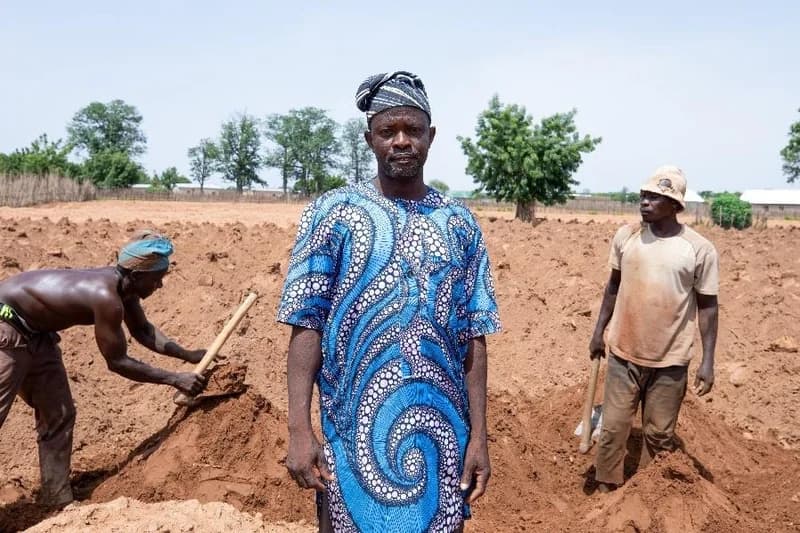
The United Nations World Food Programme (WFP), bolstered by funding from the Government of the Republic of Korea, has successfully implemented a comprehensive resilience-building initiative in Northern Ghana. Targeting over 33,000 individuals across 3,800 households, the programme was designed to mitigate the devastating effects of the 2024 drought and subsequent dry spells. By providing a combination of emergency cash assistance, nutrition support, and livelihood diversification, the initiative has stabilized vulnerable communities while stimulating local economic growth. The programme particularly prioritizes marginalized groups, including women and persons with disabilities, to foster social cohesion and equitable resource access.
A central component of the intervention was the use of food vouchers and direct cash transfers, which injected liquidity into local markets. Beneficiaries redeemed vouchers at community retail shops, creating a symbiotic relationship between consumers and local businesses. This mechanism encouraged retailers to source produce from nearby farmers, strengthening the local supply chain. Beyond immediate relief, the programme encouraged participants to engage in alternative income-generating activities such as soap making and small livestock rearing. These diverse revenue streams provide a critical buffer against the increasingly frequent climate shocks that threaten traditional rain-fed agriculture in the region.
The impact of this timely assistance is exemplified by the story of Alhassan, a smallholder farmer from the Kumbungu District. Faced with severe food insecurity after poor harvests, Alhassan's household received monthly cash support of GHS 1,161 from May to October 2025. This funding allowed him to meet his family's immediate nutritional needs while simultaneously investing in maize, soybean, and yam cultivation. Furthermore, the assistance enabled him to launch a guinea fowl rearing business, the profits from which funded his daughter’s university education. Such success stories highlight how humanitarian aid can transition families from survival to self-reliance and long-term stability.
While localized support has proven effective, broader economic indicators present a complex picture of food security in Ghana. According to the August 2026 AGRA Food Security Monitor, national food prices have shown signs of stability compared to previous years. Rice and sorghum prices remained largely unchanged, with rice sitting 16.4% lower than 2025 levels. However, white maize saw a month-on-month increase of 8.9%, and fuel prices rose by up to 3%, potentially impacting transport costs for agricultural goods. These fluctuations, coupled with regional rainfall variability in West Africa, underscore the fragility of the current food system.
Looking forward, the persistence of climate-related risks remains a significant concern for the region. Expert reports warn that a strong El Nio event could exacerbate food insecurity across Africa, necessitating continued investment in climate adaptation measures. As Ghana navigates these global environmental and economic trends, the WFP and Korean-funded initiatives serve as a model for how targeted, community-level interventions can build the resilience necessary to withstand future shocks. The focus now remains on scaling these successes to ensure that the progress made in Northern Ghana can be sustained against the backdrop of an unpredictable global climate.
