Anansi News
HomeBriefsAsk GhanaTopicsTools
•
•

Stay Informed

Get AI-curated news briefs from Ghana delivered to your inbox every morning. Free forever, no spam.

Explore

  • Home
  • Briefs
  • About

Categories

  • Politics
  • Business
  • Sports
  • Entertainment
  • Africa

Features

  • Analysis
  • Cedi Rates
  • Dollar to Cedi
  • Ghana Gold Price
  • BoG Policy Rate

Topics

  • Armed Forces Recruitment
  • WAEC Results & News
  • Nana Ama McBrown
  • NDC News
  • All Topics

Legal

  • Privacy Policy
  • Terms of Service
Anansi News© 2026. All rights reserved.
Made withfor Ghana
health

West Gonja Municipal Assembly Demolishes Dangerous Public Toilet in Hangaline After Media Report

2 days ago•2 min read•1 source
West Gonja Municipal Assembly Demolishes Dangerous Public Toilet in Hangaline After Media Report
  1. Home
  2. /Health
  3. /West Gonja Municipal Assembly Demolishes Dangerous Public Toilet in Hangaline After Media Report

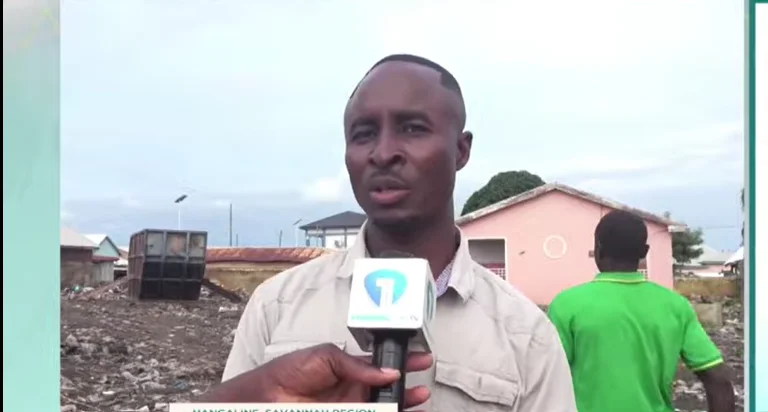
Authorities in the West Gonja Municipality have demolished a dilapidated and hazardous public toilet facility in the Hangaline suburb of Damongo. The action followed an investigative report by Channel One News that highlighted the severe public health risks posed by the crumbling structure and the accumulation of refuse in the surrounding area. While the demolition marks a significant step toward addressing the community's sanitation crisis, it has also brought into focus the functional gaps in the local infrastructure, as residents are currently left without a viable public alternative.

Despite the removal of the old structure, a newly constructed public toilet facility in the community remains under lock and key. Local authorities have cited a lack of essential utilities, specifically reliable water and electricity, as the primary reason for the delay in opening the project. The Municipal Environmental Health Officer stated that the closure is a temporary measure pending the completion of major works required to make the facility fully operational. However, the continued delay has raised frustrations among residents who are eager to move away from the unhygienic conditions that characterized the previous site.

The situation has sparked a broader conversation about sanitation management in Damongo. While residents urge the assembly to fast-track the utility connections to the new facility, health officials are using the transition period to advocate for a shift in community practices. The Municipal Environmental Health Office is encouraging households to construct their own private toilets and adopt more rigorous waste disposal habits. This strategy aims to reduce the community’s total reliance on public facilities, which are often prone to over-usage and maintenance failures.

As the West Gonja Municipal Assembly works to resolve the technical hurdles at the new Hangaline site, the demolition of the old structure serves as a reminder of the impact of media oversight in driving local government accountability. The long-term success of sanitation efforts in the area will depend on a combination of functional public infrastructure and the community’s commitment to sustainable hygiene practices. For now, the people of Hangaline remain expectant that the promised upgrades to the new facility will be completed swiftly to provide the dignity and health protections they require.

Our Take

From the Team

Coming Soon

Our team will add key insights, trends, and actionable takeaways to help you stay informed faster.

This story touches markets covered on Anansi Intelligence ↗.

More from health

Continue exploring similar stories

Polaris Beauty Lounge Prioritizes Client Health and Consultation in Accra Beauty Services
health|Yesterday

Polaris Beauty Lounge Prioritizes Client Health and Consultation in Accra Beauty Services

Polaris Beauty Lounge, a unisex salon located in Accra, is redefining the local beauty experience by prioritizing comprehensive client consultations and health-conscious practices. Situated at 12 Brenya Avenue, the establishment emphasizes that a professional look is only successful if it aligns with the client’s comfort and long-term wellbeing. By integrating a mandatory consultation phase before appointments, the lounge ensures that every service—ranging from intricate braids to therapeutic massages—is tailored to the individual’s physical health and personal preferences. This proactive approach aims to bridge the gap between aesthetic desire and physiological safety. The salon’s methodology goes beyond traditional aesthetic services, focusing heavily on the suitability and maintenance of various beauty treatments. For specialized services such as lash extensions and nail care, the staff utilizes specific techniques designed to minimize discomfort and prevent potential health complications. Clients are actively encouraged to communicate any sensations of pain or unease during their sessions, a policy that underscores the salon's commitment to safety. This ongoing dialogue between the stylist and the client is framed as an essential component of the service, ensuring that the results are both beautiful and sustainable for the user. Hygiene and aftercare form the cornerstone of the Polaris Beauty Lounge philosophy. The management highlights that proper aftercare is critical to the longevity of beauty treatments and the prevention of infections or damage. By providing detailed guidance on how to maintain looks at home, the salon empowers clients to take charge of their beauty health. Located on the second floor of 12 Brenya Avenue, the lounge serves a diverse metropolitan clientele and offers multiple booking avenues, including online platforms, WhatsApp, and Instagram, while still accommodating walk-in guests. This modern approach reflects a growing trend in Accra’s beauty industry toward professionalized, health-centric personal care.

Amansie West District Assembly Inaugurates Nine-Member Committee to Enhance Road Safety
health|Yesterday

Amansie West District Assembly Inaugurates Nine-Member Committee to Enhance Road Safety

In a proactive move to address the persistent challenge of road traffic accidents within its jurisdiction, the Amansie West District Assembly has officially inaugurated a nine-member District Road Safety Committee. The initiative marks a significant step in the district's strategy to enhance public safety through coordinated education and stakeholder engagement. Chaired by the District Coordinating Director, Mr. Thomas Kwame Okrah, the committee is tasked with spearheading efforts to reduce road-related fatalities and injuries by fostering a culture of responsible road use. The newly formed body includes representatives from various critical stakeholder groups, ensuring a multifaceted approach to transport safety. A primary focus of the committee's immediate agenda is the intensification of public education campaigns. These efforts are designed to engage motorists, pedestrians, and transport unions directly, providing them with the necessary information to navigate the district's road network safely. By emphasizing education over purely punitive measures, the assembly hopes to achieve long-term behavioral changes among road users. A specific priority for the committee is addressing the safety of motor riders, who represent a vulnerable group in the district’s transport landscape. The committee has signaled its intent to implement targeted outreach programs for motorcyclists, emphasizing the vital importance of caution and adherence to traffic regulations. Mr. Thomas Kwame Okrah highlighted that fostering collaboration among various stakeholders—including local law enforcement and community leaders—is essential to creating a sustainable environment where road accidents are significantly minimized. Looking forward, the Amansie West District Road Safety Committee will serve as the central hub for road safety advocacy and monitoring in the district. The assembly's commitment to this cause reflects a broader concern for public health and economic stability, as road crashes often place a heavy burden on local health facilities and families. By formalizing this committee, the district aims to establish a more resilient safety framework that protects the lives of its citizens and ensures safer transit for all who travel through the region.

AngloGold Ashanti Partners with National Cardiothoracic Centre to Boost Cardiovascular Health in Obuasi
health|Yesterday

AngloGold Ashanti Partners with National Cardiothoracic Centre to Boost Cardiovascular Health in Obuasi

AngloGold Ashanti (AGA) Obuasi Mine has intensified its commitment to community wellness by launching its latest quarterly "Mini Clinic" outreach program in Akaporiso. In a strategic collaboration with the National Cardiothoracic Centre and the Ghana Health Service, the initiative aims to combat the rising incidence of cardiovascular diseases (CVDs) within the mine's host communities. This partnership brings specialized medical expertise directly to residents, addressing a critical gap in local healthcare access and emphasizing the importance of early detection and management of heart-related conditions. During the event, hundreds of residents benefited from comprehensive health services, including free screenings for blood pressure and glucose levels, as well as one-on-one consultations with cardiologists and general practitioners. Experts from the National Cardiothoracic Centre leveraged the platform to educate participants on the risk factors associated with CVDs, which remain a leading cause of mortality globally. The outreach focused on proactive identification of symptoms, providing a vital lifeline for individuals who may otherwise lack the resources or proximity to visit specialized health facilities in major urban centers. The Acting Director of Sustainability Management at AngloGold Ashanti emphasized that the "Mini Clinic" is a cornerstone of the company’s broader sustainability strategy, which prioritizes the long-term health and well-being of its stakeholders. By integrating health education with clinical services, the program seeks to foster a culture of preventive care. Health professionals present at the clinic urged the public to adopt significant lifestyle modifications—such as balanced diets and regular physical activity—to mitigate the risks of hypertension and other cardiovascular complications. Local traditional leaders, including the area’s overlord, lauded the initiative for its tangible impact on the community, noting that such interventions significantly reduce the financial and logistical burden on vulnerable households. As the program continues its quarterly rotation through various communities in Obuasi, it serves as a model for public-private partnerships in the health sector. The continued collaboration between AGA and national health institutions is expected to provide a sustainable framework for improving health outcomes and life expectancy across the municipality.

Dr Julius Debrah — Chief of Staff, speaking at the conference
health|Yesterday

Chief of Staff Dr. Julius Debrah Urges Collective National Action to Tackle Ghana's Sanitation Crisis

The Chief of Staff, Dr. Julius Debrah, has issued a powerful call for a unified national front to address Ghana’s persistent environmental sanitation challenges. Speaking at the Clean Conference held at the University of Ghana, Dr. Debrah emphasized that the government cannot win the fight against poor sanitation in isolation. He stressed that a successful outcome requires a deep-seated collaboration between the state and its citizens, positioning effective sanitation systems as a fundamental pillar for both public health and sustainable living across the country. The conference served as a critical platform to evaluate Ghana's progress toward the United Nations' Agenda 2030 goals, specifically those concerning sanitation and environmental sustainability. Dr. Debrah noted that improving the nation's sanitary conditions is not merely an aesthetic concern but a vital necessity for safeguarding the health of the population and ensuring long-term economic stability. By aligning local efforts with global sustainability targets, the administration aims to create a cleaner, more resilient environment for all Ghanaians. The urgency of the sanitation crisis was echoed by a diverse group of influential leaders, including the National Chief Imam and the Ga Mantse. Their presence underscored the fact that sanitation is a cross-cutting issue that transcends political and social boundaries. These leaders advocated for a sense of collective responsibility, urging every citizen to take ownership of their immediate environment. They specifically called upon the media to play a more proactive role by prioritizing sanitation issues in public discourse, thereby keeping the pressure on stakeholders to take decisive action. Moving forward, the Chief of Staff and other key stakeholders believe that a shift in public attitude, coupled with robust government policy, is the only way to protect the environment for future generations. The consensus from the Clean Conference is that while the challenges are significant, they are not insurmountable if every Ghanaian contributes to the effort. The call to action remains clear: through shared responsibility and consistent advocacy, the nation can achieve its environmental goals and ensure a healthier future for all.

All
africa
business
education
entertainment
health
news
politics
sports
technology