••
West Africa Showcases Spiritual and Cultural Resilience Through Historic Festivals and Global Gatherings
•3 min read•3 sources
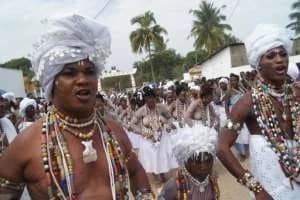
West Africa is currently witnessing a powerful convergence of tradition and faith, as major cultural festivals and religious milestones take center stage in Ghana and Togo. In Cape Coast, the ancient city is pulsating with color and sound as it celebrates the 2026 Oguaa Fetu Afahye festival. Under the theme ‘Heritage, Resilience and Prosperity,’ the event has drawn thousands of revelers, artisans, and traders, creating a vibrant kaleidoscope of commerce and custom. The festival, which blends sacred traditional rites with modern entertainment, is highlighted by a grand durbar led by the Ga Mantse, King Tackie Teiko Tsuru II, signaling a period of deep cultural reflection and economic revitalization for the region.
Parallel to these local traditions, Ghana is preparing to host a landmark religious event: the 10th Triennial Congress of the World Assemblies of God Fellowship. Scheduled for October 2026 in Accra, this marks the first time the global body will meet in Ghana since its formation 115 years ago. Rev. Stephen Yenusom Wengam, General Superintendent of Assemblies of God Ghana, has officially launched the preparations, expecting to welcome over 10,000 church leaders from around the world. Major activities are set to take place at Independence Square and the Accra Sports Stadium, featuring daytime sessions and evening revival rallies aimed at enhancing the global visibility and mission of the denomination.
Across the border in Togo, the spiritual landscape is equally active with the 363rd Epe-Ekpe festival of the Guin people. A central feature of this ancestral celebration at Glidji-Kpodji Square is the unveiling of the sacred Voodoo stone. This year, the revelation of a white stone has been interpreted by Voodoo priests and priestesses as a divine omen of peace and prosperity for the coming year. These rituals, which date back to 1663, remain a cornerstone of Togolese identity, with more than half of the population participating in Voodoo traditions that celebrate the profound connection between nature and spirituality.
Collectively, these events underscore the significant role that heritage and organized religion play in the socio-economic fabric of West Africa. From the fully booked hotels in Cape Coast to the trade fairs and global religious tourism in Accra, these gatherings do more than preserve identity; they stimulate local economies and foster international partnerships. As these festivals and congresses move forward, they continue to project a narrative of a region that is both deeply rooted in its ancestral past and actively shaping its future on the global stage.
