••
Rev. Stephen Wengam and Rt Rev. Dr Hilliard Dogbe Challenge African Pastors to Shun Materialism and Embrace Social Stewardship
•3 min read•2 sources
Leading figures in the African church have issued a clarion call for a fundamental shift in ministry, urging a move away from materialism toward deep spirituality and practical social engagement. Rev. Stephen Yenusom Wengam, the General Superintendent of Assemblies of God, Ghana, and Rt Rev. Dr Hilliard K. Dela Dogbe of the African Methodist Episcopal (AME) Zion Church, separately emphasized that the modern church must evolve to meet both the spiritual and socio-economic needs of its congregations while remaining rooted in foundational truths. Together, these messages signal a pivot toward a more holistic form of leadership within the continent's religious institutions.
Speaking at the National Pastors Conference in Addis Ababa, Ethiopia, Rev. Wengam addressed a gathering themed 'Fresh Revival to Pursue the Great Commission.' He challenged African pastors to resist the temptations of carnality, complacency, and the pursuit of material wealth. Drawing on the history of the Assemblies of God and its origins in the Azusa Street revival, Wengam argued that the future of evangelism on the continent depends on a return to intense prayer and aggressive church planting. During his visit, which included an exchange of Ghanaian souvenirs with Ethiopian church leadership, he was joined by Rev. Dominic Yeo in advocating for a ministry that prioritizes spiritual growth over personal gain.
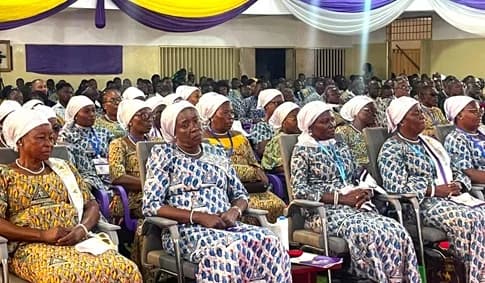
Simultaneously, in Cape Coast, the AME Zion Church outlined a vision for a 'new approach to ministry' during its biennial conference. Rt Rev. Dr Hilliard K. Dela Dogbe stressed that the church must remain relevant to contemporary society by addressing the specific challenges faced by different age groups, particularly young adults navigating the complexities of post-graduation life and unemployment. This vision extends beyond the pulpit to encompass broader stewardship, including environmental protection and public health. The conference also featured calls from regional government officials for the clergy to use their influence to address national issues like sanitation and social behavior.
These overlapping messages reflect a growing trend among West African religious leaders to redefine the church’s role in the 21st century. By balancing the deep spirituality championed by Rev. Wengam with the practical support and environmental stewardship advocated by Rt Rev. Dr Dogbe, the African church aims to present a model of leadership that is both divinely inspired and socially conscious. These developments suggest a concerted effort to ensure that religious institutions not only serve as spiritual sanctuaries but also as active participants in the social and economic transformation of the continent.