••
Walk21 urges African nations to prioritise walking in urban planning
•2 min read•1 source
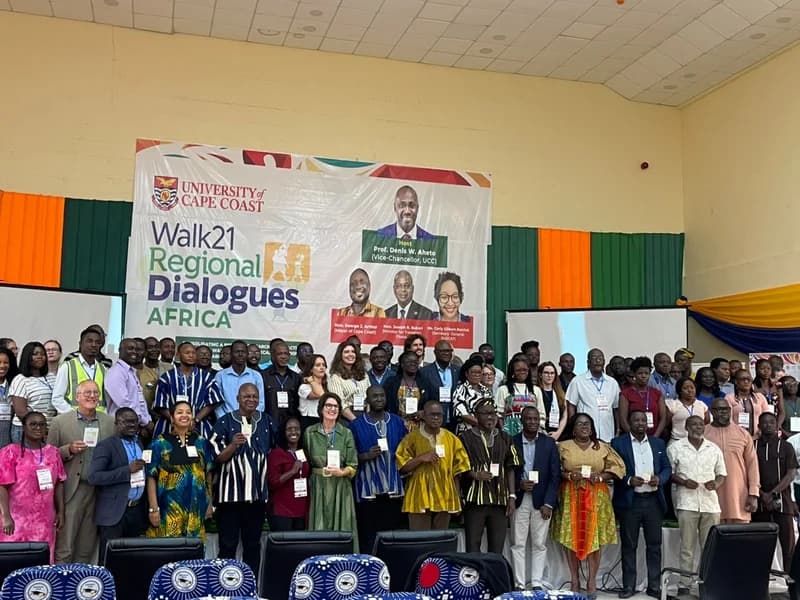
Global charity Walk21 has called on African governments and transport practitioners to integrate walking and active mobility into the core of urban transport planning. Speaking at the Walk21 Regional Dialogue held in Cape Coast, the organisation’s Chief Executive Officer, Ms. Bronwyn Thornton, emphasised that walking is a fundamental mode of transport that remains essential for health, equity, and inclusivity. The dialogue brought together government officials and urban planning experts from across the continent to discuss strategies for making African cities more pedestrian-friendly.
Ms. Thornton highlighted that despite walking being the primary mode of transport for millions of Africans, it often receives the least attention and funding in infrastructure development. She argued that prioritising pedestrians is not merely a matter of convenience but a critical component of building sustainable and resilient cities. According to Walk21, integrating walking into national and local transport frameworks is necessary to address the needs of all citizens, particularly those in lower-income brackets who rely almost exclusively on active mobility to access jobs, education, and healthcare.
The Central Regional Minister, Mr. Ekow Panyin Okyere Eduamoah, echoed these sentiments, stressing the need for cleaner and safer walkways within Ghana's urban centres. He noted that the current state of pedestrian infrastructure often discourages walking and poses significant safety risks to the public. During the sessions, practitioners and government representatives examined the development of local action plans aimed at creating safer, more accessible walking environments. These plans focus on addressing specific infrastructure gaps, such as lack of lighting, poor pavement quality, and the absence of dedicated pedestrian crossings in high-traffic areas.
The regional dialogue concluded with a consensus on the need for collaborative efforts to shift the focus of urban planning away from car-centric models toward people-centred designs. By adopting active mobility strategies, African nations can reduce carbon emissions and improve public health outcomes. The participants committed to advocating for better funding and policy support for walking infrastructure, viewing it as a vital step toward achieving broader sustainable development goals across the continent.
