••
West African Health Organisation calls for better access to fortified foods
•2 min read•1 source
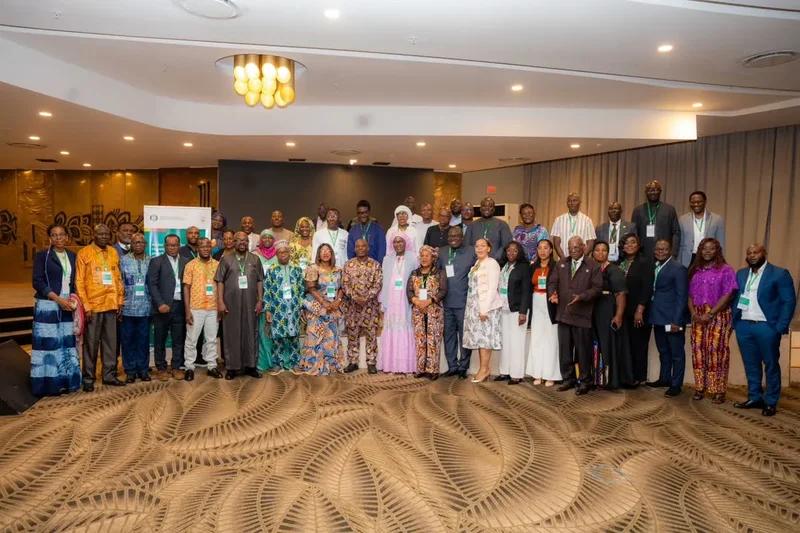
The West African Health Organisation (WAHO) has intensified calls for improved access to nutrition services and more stringent quality controls on fortified foods across the region. At a workshop recently concluded in Lomé, Togo, nutrition experts and regional leaders highlighted a burgeoning crisis, noting that more than 54.8 million people in West Africa are currently facing acute food and nutrition insecurity. The gathering served as a platform to coordinate a regional response to these vulnerabilities, emphasizing that immediate intervention is necessary to prevent further deterioration of public health standards. To address these challenges, the nutrition leaders recommended the full integration of nutrition services into primary healthcare systems. By making nutrition a core component of basic medical care, the experts argue that the region can better manage malnutrition at the community level. Furthermore, the workshop participants called for a significant increase in funding for nutrition interventions, stressing that sustainable financial backing is essential for implementing the large-scale programmes required to reach the millions of citizens currently at risk. A key focus of the Lomé meeting was the role of food fortification and the need for rigorous oversight. Leaders advocated for stricter quality controls to ensure that fortified foods—staples enriched with essential vitamins and minerals—actually meet the nutritional requirements of the population. To support this, they urged member states to enhance regional data sharing to track nutrition trends more accurately and identify specific areas where fortification efforts or emergency food aid are most urgently needed. The recommendations from the workshop are expected to form the basis of a comprehensive regional strategy for nutrition care. By aligning national policies and fostering cross-border cooperation, WAHO aims to build a more resilient food system that can withstand the various economic and environmental pressures facing West Africa. The emphasis remains on moving beyond emergency responses toward long-term, integrated healthcare solutions that prioritize nutritional health as a fundamental right for all citizens in the sub-region.

