••
WACCE Warns Ghana Faces Escalating Terrorism Threat Amid Rising Sahel Instability
•3 min read•1 source
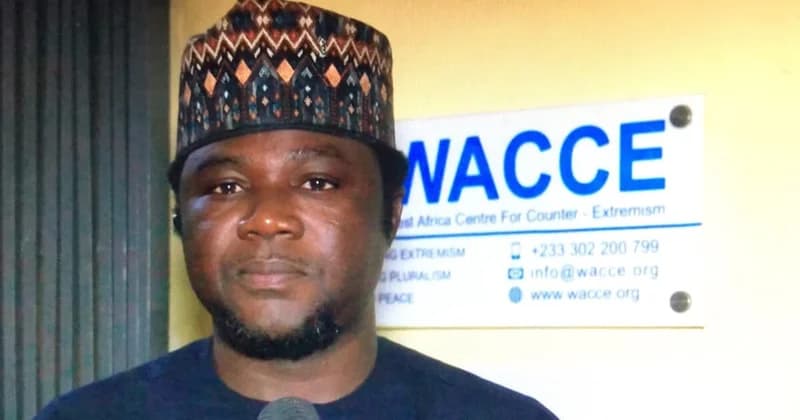
The West Africa Centre for Counter-Extremism (WACCE) has issued a stark warning, stating that Ghana is currently more vulnerable to the threat of terrorism than at any other point in its history. Speaking at a 9/11 Memorial Dialogue in Accra, WACCE Executive Director Mutaru Mumuni Muqthar emphasized that the rapid spread of extremist violence across the Sahel region has brought the danger directly to Ghana’s doorstep. With the Sahel now identified as the global epicenter of terrorism—accounting for more than half of all terrorism-related deaths worldwide—security experts are calling for immediate and proactive measures to safeguard the nation’s borders and internal stability. This assessment marks a significant shift in the regional security landscape, moving from a period of relative insulation to one of direct proximity to active conflict zones.
The escalating risk is largely attributed to the deteriorating security situation in neighboring countries, particularly Burkina Faso. Muqthar noted that while extremist activities were once perceived as distant threats confined to nations like Mali, the southward expansion of these groups has significantly narrowed the buffer zone between Ghana and active extremist cells. This geographical proximity creates a porous environment where spillover violence and the infiltration of radical elements become increasingly likely. The organization noted that the instability in the north is no longer a distant concern but a pressing reality that requires a robust and coordinated national response.
Beyond external pressures, WACCE identified several internal socio-economic vulnerabilities that extremist groups frequently exploit to gain a foothold. High levels of youth unemployment, persistent ethnic tensions, and unresolved local conflicts provide fertile ground for radicalization and recruitment. Muqthar highlighted that these domestic grievances are often weaponized by extremists to lure disillusioned individuals, making the national security challenge as much about social cohesion as it is about border defense. The organization stressed that ignoring these underlying issues could allow extremist ideologies to take root within local communities, bypassing traditional security barriers through internal recruitment.
To counter these growing threats, WACCE is urging the government and relevant stakeholders to prioritize community-based strategies and significant investment in youth empowerment. The center advocates for a resilience-building approach that goes beyond traditional military responses, focusing instead on addressing the root causes of extremism through economic opportunity and social inclusion. As the regional security landscape continues to shift, WACCE maintains that the strength of Ghana’s national security will ultimately depend on its ability to foster a sense of belonging and hope among its younger population while maintaining high vigilance against external extremist influences.