••
VRA, Metro Mass, and Ghana Airports Return to Profitability Amid Growing National Road Infrastructure Challenges
•3 min read•7 sources
Several of Ghana’s major State-Owned Enterprises (SOEs) and transport agencies have reported significant financial turnarounds in 2025, signaling a period of recovery despite broader infrastructure and macroeconomic hurdles. The Volta River Authority (VRA) reversed a GH¢105.75 million loss from the previous year to post a profit of GH¢88.04 million, a recovery largely driven by substantial foreign exchange gains of GH¢236.60 million. Similarly, Metro Mass Transit Limited (MMTL) returned to profitability with a net profit of GH¢4.48 million, supported by a 30% surge in passenger numbers and the introduction of an electronic ticketing system. Ghana Airports Company Limited (GACL) also reported a net profit of GH¢355.94 million, with its total assets now exceeding GH¢10 billion, reflecting a strengthened equity position despite a decline in core aeronautical revenues.
While some entities achieved full profitability, others made drastic strides in loss reduction. Intercity STC Coaches Limited managed to cut its net loss by 93%, reducing it from GH¢69.98 million in 2024 to just GH¢5.18 million in 2025. This improvement occurred despite an 11.77% drop in operating revenue, highlighting the success of aggressive cost-control measures and expenditure management. These financial gains across the transport and energy sectors suggest a tightening of fiscal discipline within the public sector, even as these companies continue to navigate challenges such as inadequate equipment and high operating costs.
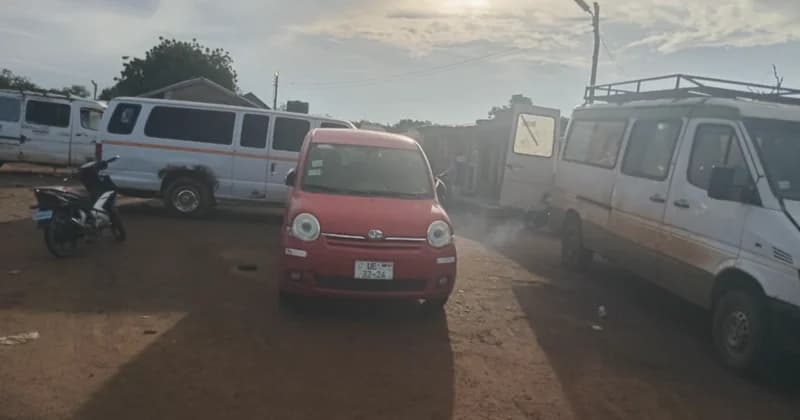
On the ground, improvements in road infrastructure are beginning to yield immediate economic benefits in northern Ghana. The ongoing upgrades to the Tumu–Bolgatanga and Tumu–Tamale roads have significantly reduced travel times from six hours to approximately three hours. This has facilitated the introduction of higher-quality vehicles, such as the Voxy brand, providing commuters with more comfortable and efficient travel options. Local transport officials in the Sissala area report that these improvements are stimulating local trade, although passengers have raised concerns regarding rising luggage transport fees, particularly affecting students moving between regions.
Despite these localized successes, a recent World Bank report underscores a deepening crisis in national road sustainability. Ghana is currently meeting only 37% of its road maintenance funding needs, a decline from previous years that is blamed on the Earmarked Funds Capping and Realignment Act and inefficiencies in the Road Fund. Currently, only 47% of the national road network is classified as being in good condition. Furthermore, road crashes are extracting a heavy toll on the economy, costing an estimated $4.55 billion annually, or 2.1% of the nation’s GDP. While the Big Push Infrastructure Programme offers hope for reform, experts warn that without a dedicated focus on maintenance and safety, the financial gains made by state transport agencies may be undermined by a deteriorating physical landscape.
Live rates
Dollar to cedi rate →