••
Volta River Authority Records GH¢88 Million Profit in 2025 Financial Turnaround
•2 min read•1 source
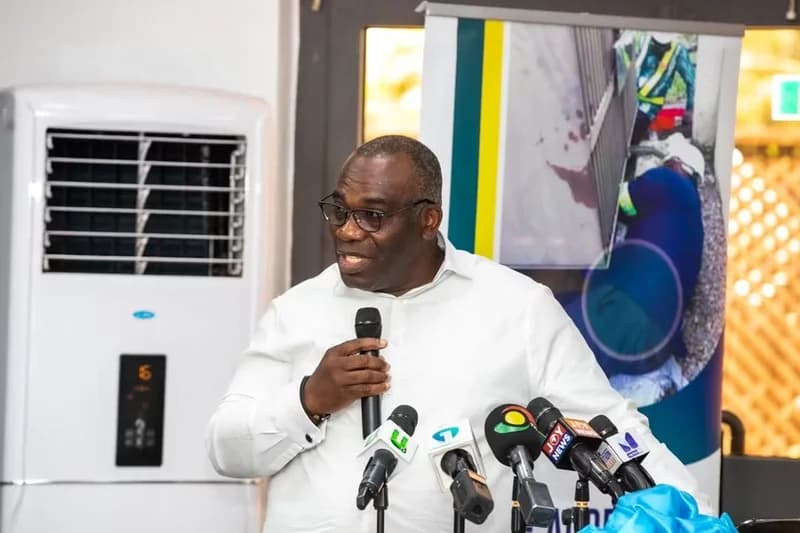
The Volta River Authority (VRA) has successfully returned to profitability, reporting a net profit of GH¢88 million for the 2025 financial year. This represents a significant recovery from the GH¢106 million net loss recorded in 2024. Despite a 4% decline in electricity revenue—which fell to GH¢8.95 billion—and a 7.2% drop in total electricity sales, the authority managed to stabilize its finances through aggressive cost-cutting measures and improved operational efficiency across its generation fleet.
CEO Ing. Edward Ekow Obeng-Kenzo attributed the turnaround to stringent cost controls, reduced financial expenses, and enhanced performance across both hydro and thermal generation units. In 2025, total electricity generation in Ghana reached 27,023 gigawatt-hours (GWh). While the VRA remains a central pillar of the energy sector, Independent Power Producers (IPPs) contributed 52% of the total output, with the VRA accounting for the remaining 48%. This distribution highlights the competitive landscape and the authority's focus on maximizing output from existing assets despite revenue fluctuations.
To ensure future energy security under the administration of President John Mahama, the VRA is actively expanding its generation portfolio. The authority has signed a Power Purchase Agreement for the 620-megawatt Nantian Thermal Power Project and is pursuing renewable energy targets through the 30-megawatt Akuse Floating Solar Project. These initiatives reflect a strategic pivot toward diversifying energy sources and increasing thermal capacity to meet the growing industrial and domestic demand for reliable power.
However, the VRA's path to sustained growth remains complicated by persistent structural and financial hurdles. The authority continues to navigate severe liquidity challenges driven by chronic payment delays and a complex web of inter-utility debts that affect the broader energy value chain. Additionally, operational constraints such as land encroachment on VRA properties and other regulatory bottlenecks pose ongoing risks to infrastructure project timelines. Addressing these systemic issues will be critical if the authority is to maintain its renewed financial health in the coming years.
Related topic
John Mahama: Latest News & Updates →
