••
Volta Region Faces Waste Management Crisis as Poor Road Access and Infrastructure Deficits Limit Recycling to 2%
•2 min read•1 source
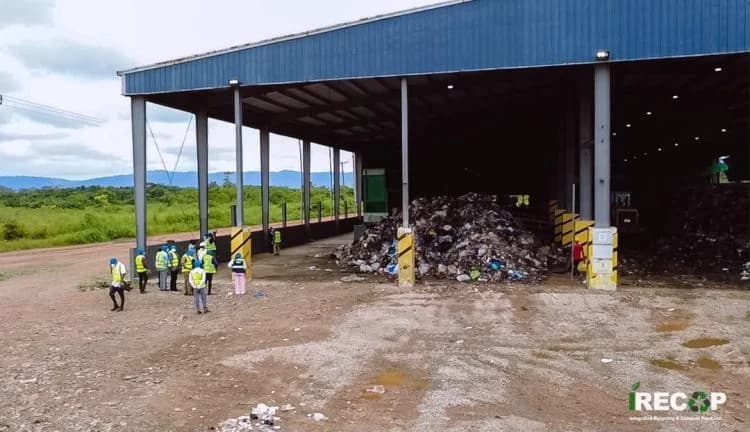
The Volta Region is currently grappling with a significant waste management crisis, with only 60% of the estimated 268,000 tonnes of solid waste generated annually being collected. Even more concerning is the region's recycling rate, which stands at a mere 2%. These figures were highlighted during a recent fact-finding visit by the Parliamentary Select Committee on Water and Sanitation to the Ho Integrated Recycling and Compost Plant (IRECOP). The committee's assessment revealed a system under strain, where logistical hurdles and infrastructure gaps prevent the region from meeting even basic sanitation targets.
A primary obstacle identified by stakeholders is the deplorable state of access roads leading to waste management facilities. Betty Brown Nyadu from the Jospong Group noted that poor road conditions actively discourage waste operators from reaching disposal sites, a situation that frequently results in increased illegal dumping within local communities. While IRECOP has a processing capacity of 600 metric tonnes and currently collects about 65% of regional waste, it remains significantly short of its 85% operational target. The lack of strategic transfer stations further complicates transport logistics, making waste recovery inefficient and costly for both private operators and local authorities.
In response to these findings, the Parliamentary Select Committee, led by Member of Parliament John Oti Bless, has pledged to advocate for urgent interventions. The committee plans to present a comprehensive report to Parliament, emphasizing the need for improved collection systems and the establishment of a National Sanitation Authority. This proposed authority, supported by the National Sanitation Authority Bill, is seen as a crucial step toward centralizing and strengthening management within the sanitation sector to ensure consistent service delivery across the region.
Beyond infrastructure, the committee and local stakeholders emphasized that long-term success hinges on a shift in public behavior and enhanced education. Strengthening waste separation at the source and increasing public awareness regarding the benefits of recycling and composting are considered essential to reducing environmental degradation. By addressing these systemic challenges through better road infrastructure and community engagement, the Volta Region has the potential to transform its waste management sector into a driver of local economic activity and job creation.