••
Volta Region Declared Cleanest in Ghana by Parliamentary Select Committee on Water and Sanitation
•2 min read•1 source
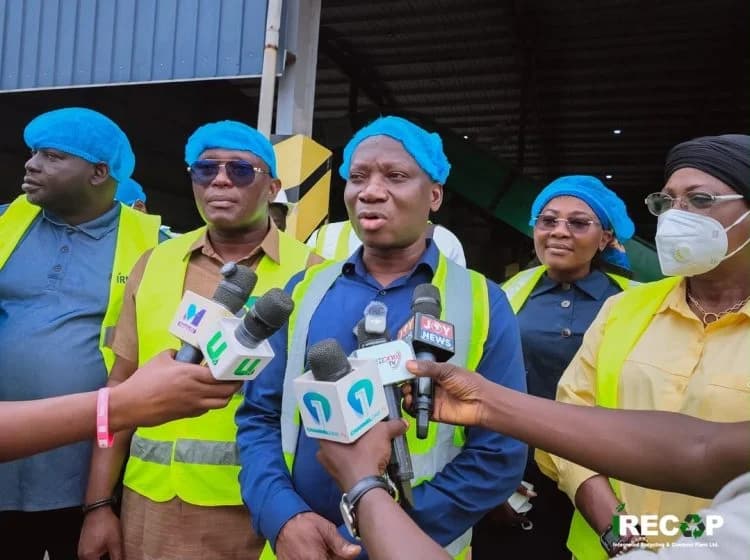
The Parliamentary Select Committee on Water and Sanitation has officially recognized the Volta Region as the cleanest region visited during its ongoing nationwide monitoring tour. Led by Committee Chairman and Member of Parliament John Oti Bless, the delegation commended the region for its superior sanitation standards and effective waste management strategies. This declaration follows an extensive assessment of sanitation facilities across various regions, highlighting the Volta Region's commitment to maintaining a hygienic environment and a robust public health framework.
A central component of the region's success is the Ho Integrated Recycling and Compost Plant (IRECOP), which the committee inspected during its tour. The facility is equipped to process significant volumes of waste, focusing on recycling and resource recovery. By converting waste into usable compost and other materials, IRECOP plays a critical role in environmental protection and reducing the pressure on local landfills. The committee praised the plant's operational efficiency, noting that such infrastructure is vital for achieving sustainable sanitation goals throughout Ghana.
During the visit, Chairman John Oti Bless emphasized that maintaining these high standards requires a sustained effort from both government agencies and the general public. He urged local authorities to intensify public education campaigns on waste management to ensure residents remain active participants in the region's sanitation success. Furthermore, stakeholders involved in the tour expressed strong support for the proposed National Sanitation Authority Bill. This legislation is expected to enhance sanitation management by providing a more structured and coordinated approach to tackling waste across the country.
The recognition of the Volta Region as a leader in cleanliness serves as a benchmark for other regions as the parliamentary committee continues its assessment of Ghana's sanitation landscape. As the country seeks to overcome persistent waste management challenges, the integration of modern recycling facilities and community-led hygiene initiatives remains the primary path forward. The committee's findings are expected to inform future legislative decisions and resource allocation aimed at improving the nation's overall public health and environmental sustainability.