••
Nutritional Experts Highlight High Vitamin C Alternatives to Oranges for Immune Support
•2 min read•1 source
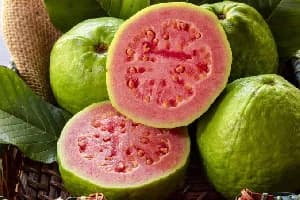
While the orange has long been the global poster child for Vitamin C, health experts are drawing attention to a wider variety of fruits and vegetables that provide equal or even greater amounts of this essential nutrient. Vitamin C is a critical component of a healthy diet, primarily known for its role in supporting the immune system. For many, the orange is the first choice when seeking a nutritional boost, but diversifying one's intake through other natural sources can lead to a more robust and varied nutritional profile.
Among the fruit alternatives mentioned in recent health reports, guavas and mangoes stand out as potent sources of the vitamin. Guavas, in particular, are noted for their high concentration of the nutrient, often surpassing the levels found in traditional citrus fruits. Mangoes also provide a significant nutritional contribution, making them an excellent choice for those looking to maintain their daily requirements through varied and flavorful options. These fruits offer a sweet and accessible way to bolster the body's natural defenses using locally available produce.
Beyond the fruit basket, several vegetables are also packed with Vitamin C, challenging the common misconception that the nutrient is exclusive to citrus. Peppers, broccoli, and various leafy greens are identified as excellent sources that can be easily integrated into daily meals. Including these vegetables in soups, stews, or salads ensures that the body receives a steady supply of nutrients necessary for maintaining health. The inclusion of these savory options allows for a more flexible approach to meeting dietary goals without relying solely on fruit consumption.
The shift toward a more diverse diet is essential for comprehensive immune support and overall wellness. By looking beyond the orange and incorporating a mix of guavas, peppers, and green vegetables, individuals can ensure they are meeting their daily vitamin requirements more effectively. As health remains a top priority for many, understanding the nutritional value of these common foods allows for better-informed dietary choices that contribute to long-term well-being and resilience against common ailments.