••
Search Intensifies for 130 Missing After Virgo Transport 8 Ferry Sinks in Indonesia’s Java Sea
•2 min read•7 sources
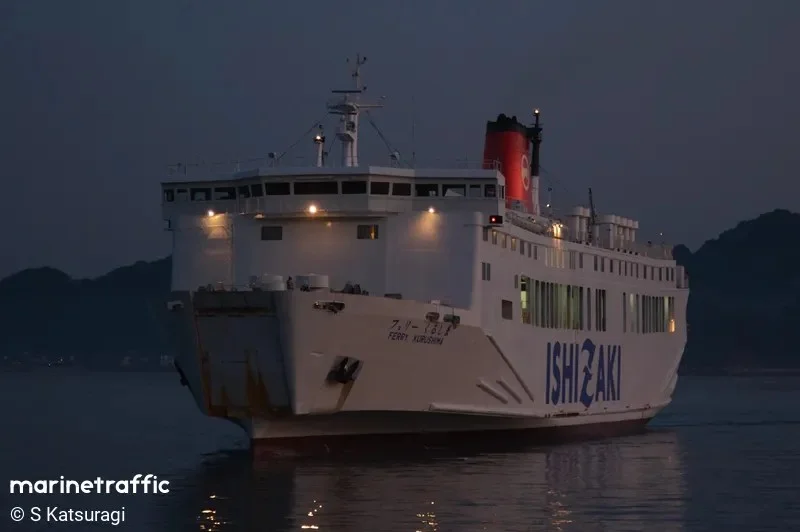
A massive search and rescue operation is currently underway in Indonesia’s Java Sea following the sinking of the ferry Virgo Transport 8 during severe weather conditions. Of the more than 240 passengers on board, approximately 130 people remain missing, while at least 107 survivors have been rescued and six bodies have been recovered. The vessel was traveling from Surabaya to Banjarmasin when it lost contact with authorities after encountering dangerously rough seas, eventually capsizing approximately 93 miles from its destination.
The disaster was precipitated by extreme weather, with reports indicating that the ferry was battered by waves reaching heights of up to 10 feet (3 meters). The sudden onset of the storm and the resulting loss of communication left the crew unable to navigate the turbulent waters. Search efforts, coordinated from Trisakti Port, involve a joint task force comprising multiple agencies, several ships, and a helicopter. Despite the deployment of extensive resources, the search remains challenging as personnel contend with the same volatile maritime conditions that led to the sinking.
The human toll of the incident has left families in a state of agonizing uncertainty. As some celebrate the miraculous rescue of their loved ones, many others are gathered at ports and emergency centers, waiting for any news regarding the fate of the missing. The emotional distress highlights the significant reliance on ferry transport in the Indonesian archipelago, where maritime travel is a critical mode of transport connecting the vast island nation.
In the wake of the tragedy, Indonesia’s National Transport Safety Committee has initiated a formal investigation into the sinking to determine whether safety protocols were followed. This latest disaster has reignited intense scrutiny regarding Indonesia’s maritime safety standards, which have seen a troubling frequency of incidents in recent years. The outcome of the investigation is expected to influence future regulations for a transportation sector that remains vital yet hazardous for millions of commuters who depend on these vessels daily.