••
Vicentia Appiah Antwi and Suzzy Owusu Arrested in Accra for GH"22,000 CSSPS Placement Fraud
•2 min read•9 sources
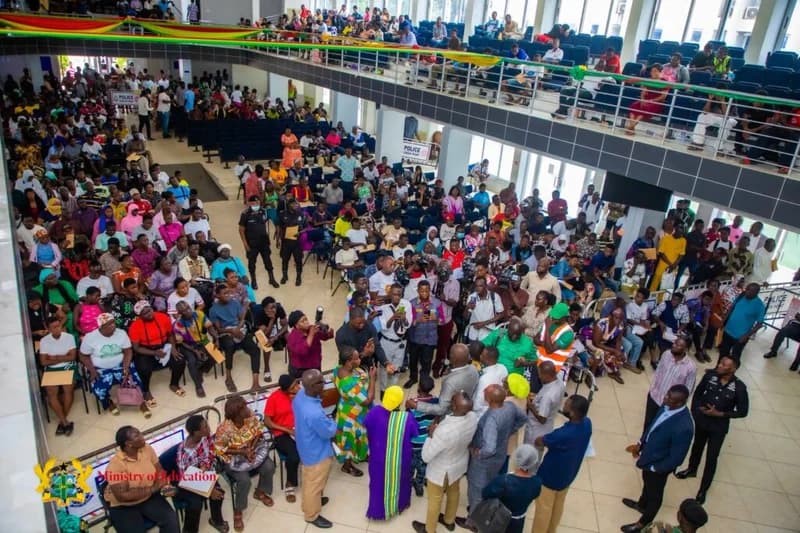
Ghanaian police in Accra have arrested two suspects, Vicentia Appiah Antwi, 24, and Suzzy Owusu, 18, for their alleged involvement in a fraudulent scheme targeting the Computerised School Selection and Placement System (CSSPS). The duo is accused of soliciting and accepting bribes from Basic Education Certificate Examination (BECE) graduates and their families under the pretense of securing admissions into prestigious senior high schools. According to investigators, the suspects reportedly charged victims amounts ranging between GH₵9,500 and GH₵22,000 per placement.
The fraudulent activities were brought to light after a set of twin sisters, who were among the victims, reported the extortion attempt to the Ministry of Education. The candidates provided evidence of the bribery demands, prompting a swift intervention by a Ministry team and law enforcement officials. While the two primary suspects are currently in custody and have been granted police enquiry bail, the investigation has expanded to include several named accomplices. These include a Kumasi-based medical doctor, Nana Yaw Boateng, and another individual identified as Alex Asumani, also known as Lexus.
The Ministry of Education has reacted to the incident by reiterating that the school placement process through the CSSPS is entirely free of charge. Officials have urged parents, guardians, and students to remain vigilant and report any individuals demanding payment for school admissions. This warning comes at a critical time as the government works to manage the massive influx of students into the secondary education system; out of 604,567 candidates who qualified for placement this cycle, 527,932 have already been successfully placed.
As investigations continue, the police are working to track down the remaining suspects to dismantle the wider network involved in educational fraud. The Ministry has emphasized its commitment to maintaining the integrity of the CSSPS, ensuring that school admissions are based on merit and system protocols rather than financial influence. This case serves as a stark reminder of the legal consequences facing those who attempt to exploit the high demand for quality secondary education in Ghana.
